




What's Happening?
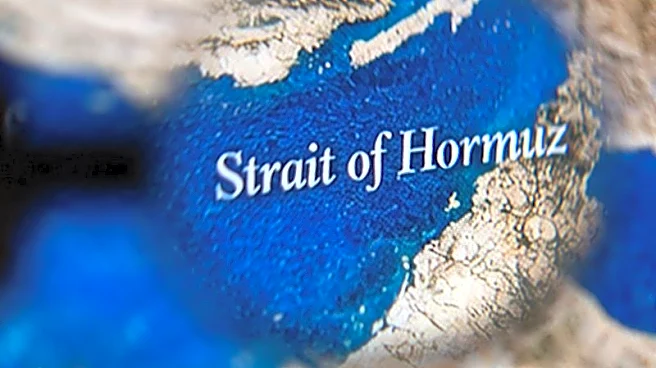
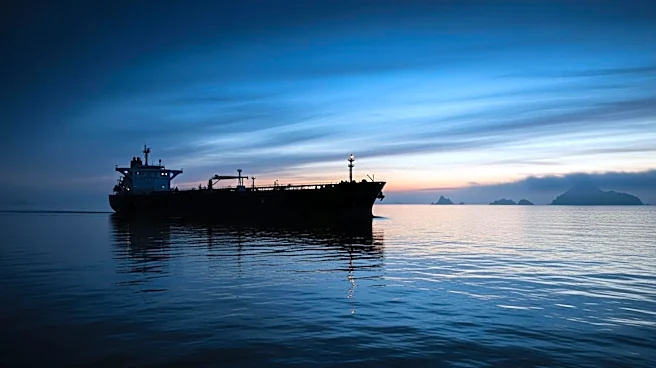
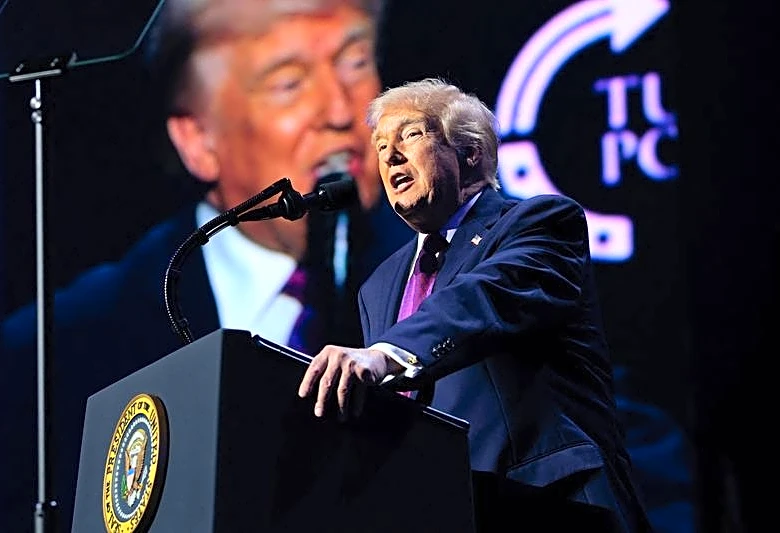
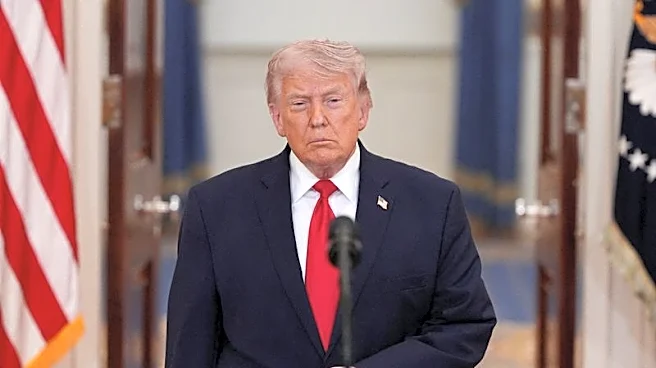
President Trump has criticized NATO for its perceived inaction during the recent crisis in the Strait of Hormuz, which Iran has declared fully open for passage. Trump expressed his dissatisfaction on Truth Social, stating that NATO leaders contacted Washington
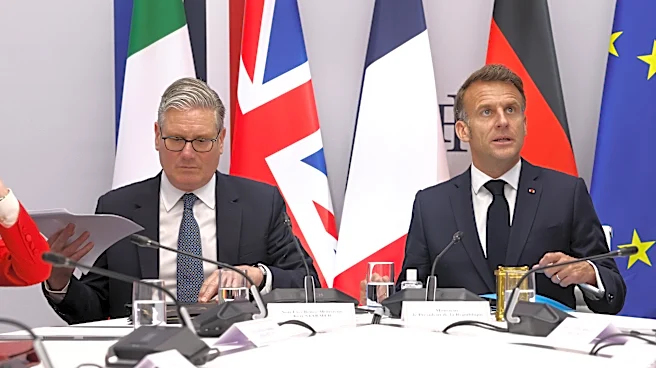
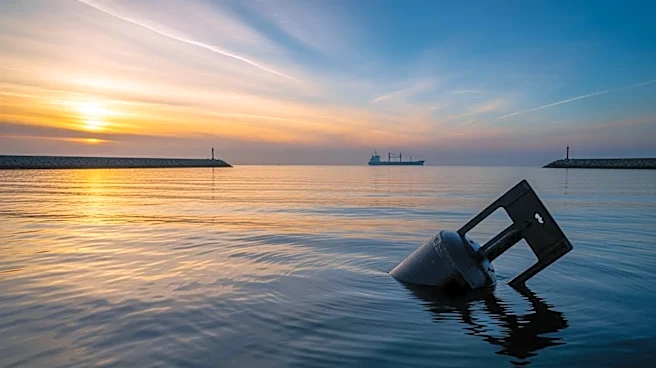
only after the situation appeared to ease. Meanwhile, German Chancellor Friedrich Merz has indicated that Germany could contribute to clearing sea mines in the Strait of Hormuz as part of a Europe-led mission, contingent on parliamentary approval and a U.N. Security Council mandate. U.S. officials, however, claim that American forces have already cleared the mines, questioning the need for further allied involvement. Germany's offer highlights its expertise in mine clearance, a skill honed through decades of operations in the Baltic Sea.
Why It's Important?
The Strait of Hormuz is a critical global energy chokepoint, with disruptions potentially affecting fuel prices and global economic stability. The reopening of the strait, following a ceasefire in Lebanon, is significant for international trade and energy markets. Germany's potential involvement in mine clearance underscores the importance of international cooperation in ensuring safe passage through strategic waterways. The situation also reflects ongoing geopolitical tensions and the need for coordinated international responses to regional conflicts.
What's Next?
President Trump has indicated that U.S. and Iranian teams are expected to meet soon, with a final agreement potentially imminent. Discussions among European and U.S. officials will continue regarding a post-ceasefire security framework for the Strait of Hormuz. The involvement of Germany in mine clearance operations will depend on parliamentary approval. Shipping companies and energy markets are closely monitoring developments, as confirmed mine clearance would facilitate the resumption of global energy flows and trade.