

What's Happening?
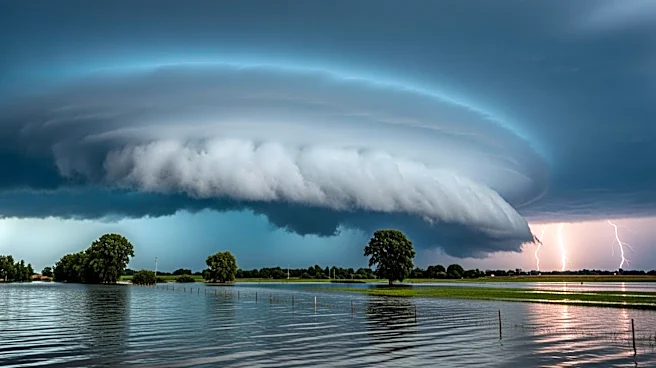
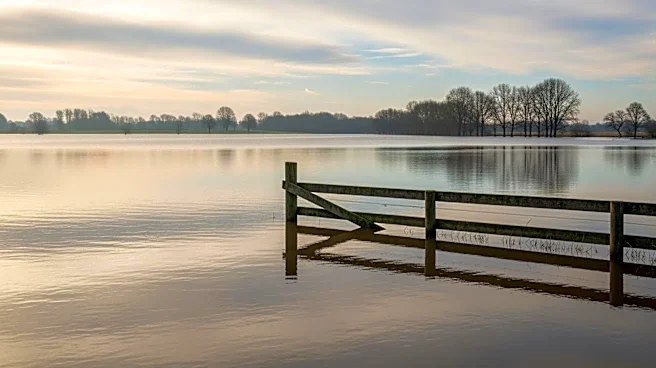
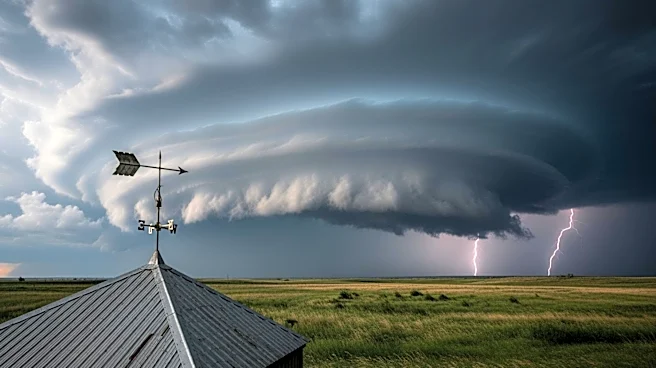
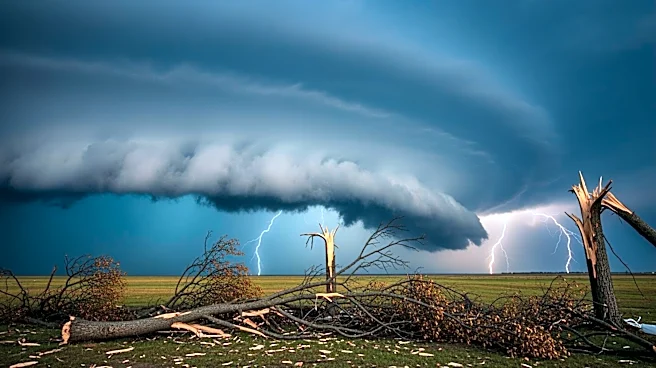
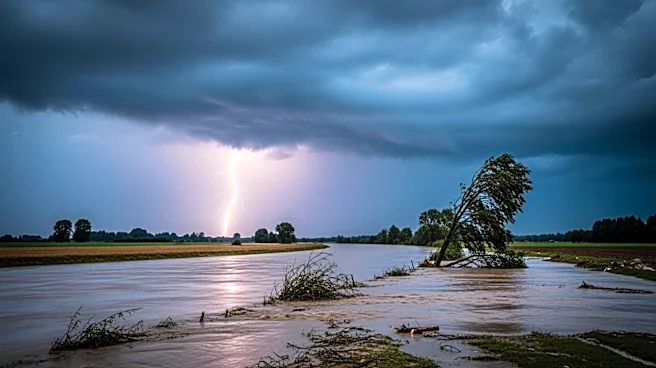
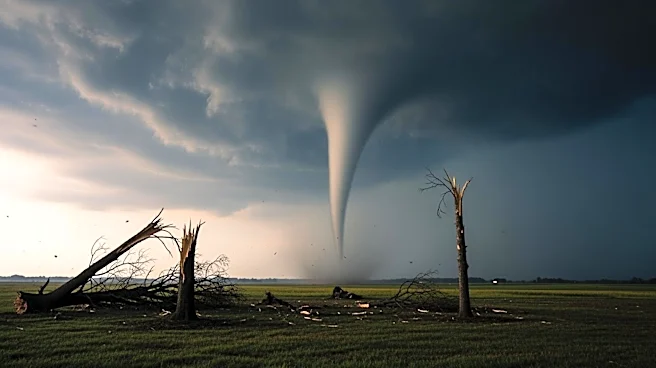
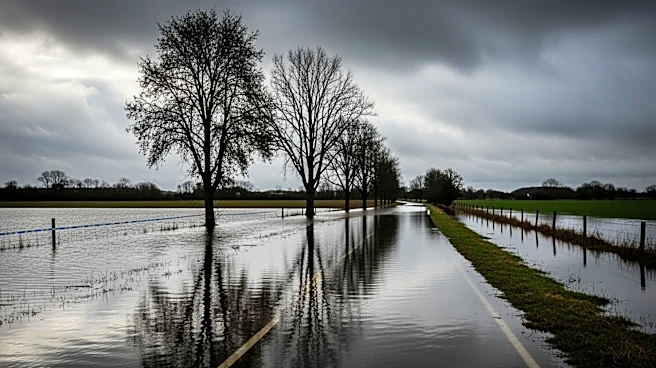
Severe storms have swept across the Midwest, causing significant flooding and damage in several states. Wisconsin experienced record rainfall, leading to flooded streets and stranded vehicles in Milwaukee. Governor Tony Evers declared a state of emergency
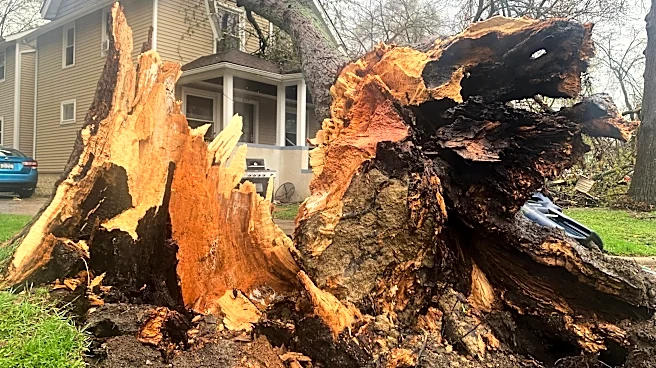
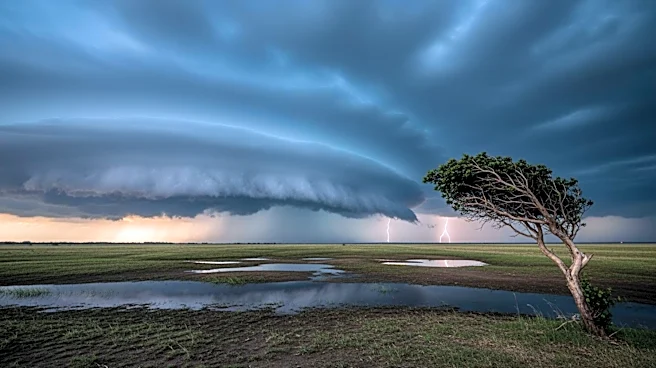
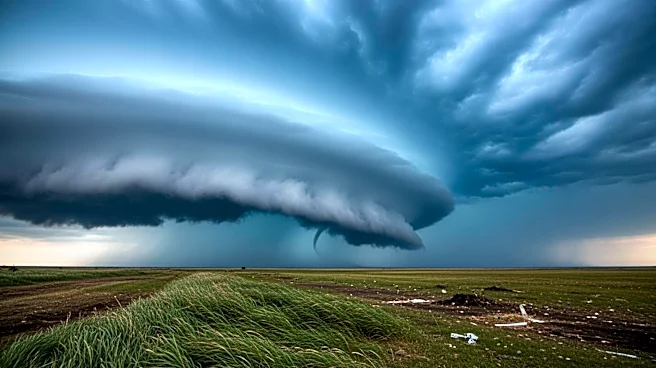
as the storms brought strong winds, hail, and confirmed tornadoes. In Michigan, powerful storms damaged infrastructure, including two ice arenas and public school buildings in Ann Arbor. The storms also caused a power outage that resulted in the death of 1,750 steelhead trout at a state facility. The National Weather Service reported over 400 instances of severe weather, including hail and high winds, as the storm system moved from Texas to the Great Lakes region.
Why It's Important?
The severe weather has significant implications for the affected regions, disrupting daily life and causing economic and environmental damage. The declaration of a state of emergency in Wisconsin highlights the severity of the situation, necessitating state resources for recovery efforts. The damage to infrastructure, such as schools and public facilities, will require substantial repair efforts, impacting local economies and communities. Additionally, the loss of fish at the Michigan facility represents an environmental setback, affecting local ecosystems and fisheries. The widespread nature of the storms underscores the need for improved weather preparedness and infrastructure resilience in the face of increasingly volatile weather patterns.
What's Next?
As the storm system continues to move eastward, further severe weather is expected in parts of Pennsylvania and New York, with potential record high temperatures forecasted. Communities in the Midwest will focus on recovery and rebuilding efforts, assessing damage and restoring services. Emergency services and local governments will likely continue to monitor weather conditions and provide updates to ensure public safety. The events may prompt discussions on climate adaptation strategies and infrastructure improvements to better withstand future severe weather events.