





What's Happening?
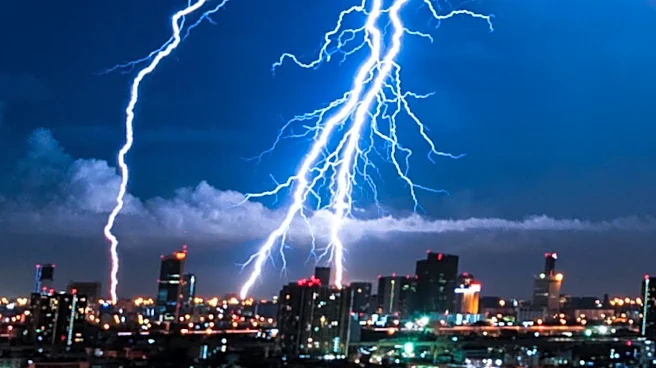
Strong monsoon storms have been moving through the Phoenix metropolitan area, including Mesa, overnight and into Thursday morning, bringing heavy rainfall, frequent lightning, and high winds. The severe weather has led to significant power outages, with
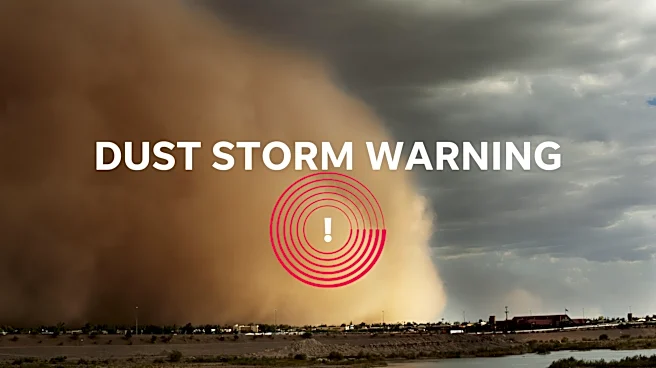
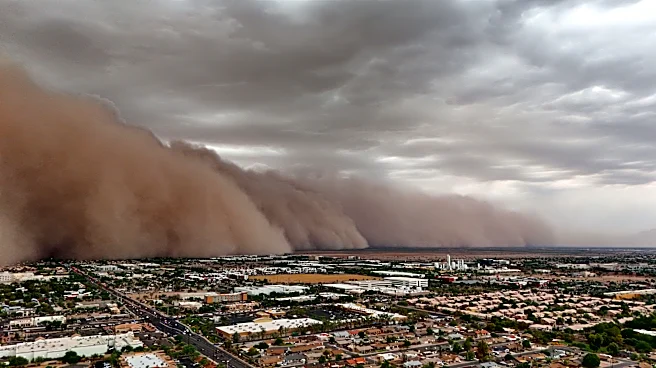
SRP reporting over 23,000 customers initially without power, which later dropped to around 16,000, and then to 3,500 by Thursday morning. APS also reported nearly 10,000 customers in the dark, reducing to 555 by Thursday morning. Dust Storm Warnings were issued for southeastern parts of the Metro area, with hazardous driving conditions reported on major interstates like I-10, I-17, and US-60 near Phoenix and Mesa. The National Weather Service Phoenix issued Severe Thunderstorm Warnings for various cities, including Chandler, Gilbert, Apache Junction, Phoenix, Mesa, and Chandler, indicating the broad impact of the storms.
Why It's Important?
The widespread power outages caused by these monsoon storms significantly disrupt daily life and economic activity in one of the largest metropolitan areas in the U.S. Businesses face operational challenges due to electricity loss, potentially leading to financial setbacks. For residents, power outages can mean loss of air conditioning in a region known for extreme heat, posing health risks, especially for vulnerable populations. The hazardous driving conditions, including dust storms, increase the risk of accidents and impede transportation, affecting supply chains and commuter safety. The recurring nature of monsoon storms in Arizona highlights the ongoing need for robust infrastructure and emergency preparedness to mitigate their impact on public safety and economic stability.
What's Next?
Utility companies like SRP and APS will continue their efforts to restore power to the remaining affected customers. Residents are advised to monitor weather alerts and exercise caution, especially regarding driving conditions during and after storms. The Arizona Department of Transportation (ADOT) continues to issue warnings about dust storms, urging drivers to 'Pull Aside, Stay Alive' if caught in one. Local authorities will likely assess any damage caused by the storms and coordinate cleanup efforts. The region will remain vigilant for further storm activity as the monsoon season progresses, with ongoing monitoring by weather services to provide timely warnings.
Beyond the Headlines
The frequent and intense monsoon storms in Arizona underscore broader challenges related to climate patterns and urban development in arid regions. While monsoons are a natural part of the desert ecosystem, their increasing severity and impact on densely populated areas raise questions about urban planning, water management, and infrastructure resilience. The 'Pull Aside, Stay Alive' campaign by ADOT highlights the unique dangers of dust storms, which are exacerbated by drought conditions and land use changes. These events also prompt discussions on the effectiveness of current emergency response systems and the need for public education on safety protocols during extreme weather, reflecting a growing adaptation challenge for communities in the face of changing environmental conditions.