





What's Happening?
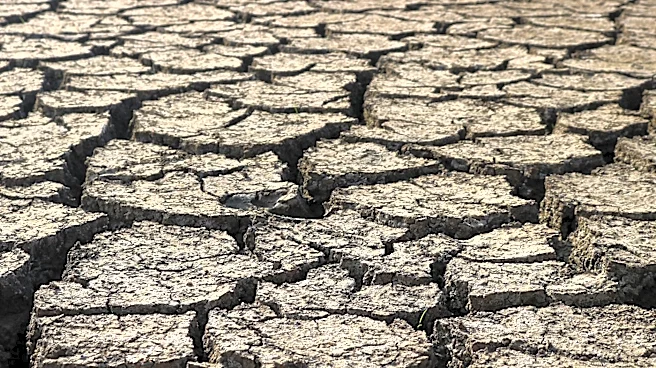
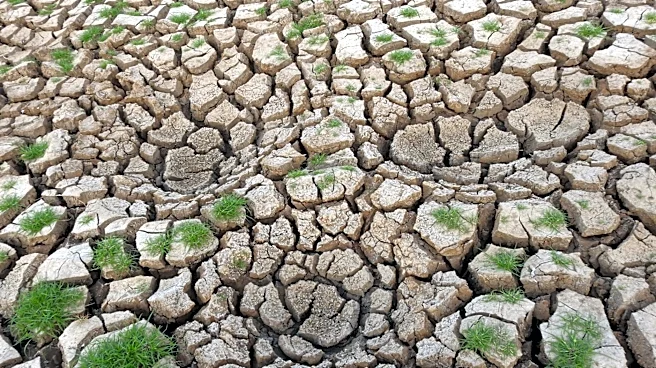
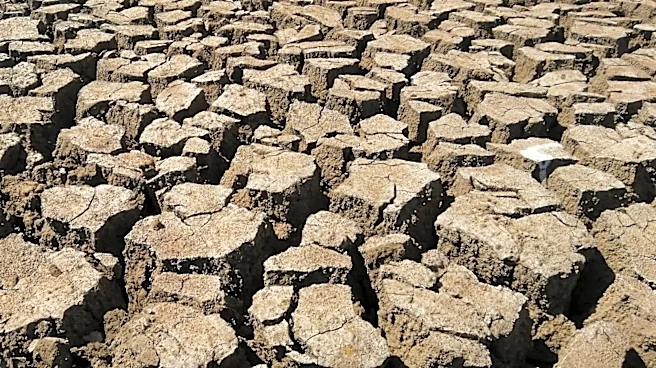
El Salvador has declared a nationwide red alert due to severe meteorological and agricultural drought conditions, intensified by the El Niño climate phenomenon. This declaration follows a period where 14 temperature records were broken in August. The
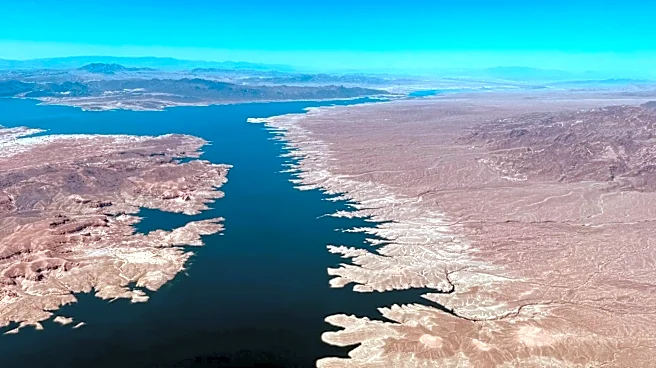
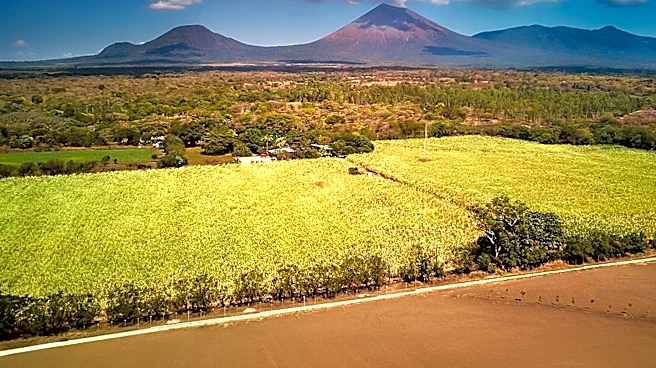
lack of rainfall has led to significantly lowered water levels and an estimated 20% loss in the first harvest of basic grain crops, according to the Association of the Salvadoran Chamber of Small and Medium Agricultural Producers. The Civil Protection agency stated that the red alert mandates increased monitoring of water resources and crops, identification of emergency-affected communities, and strengthened epidemiological surveillance. El Salvador is situated within Central America’s 'Dry Corridor,' a region highly susceptible to extreme weather events, with similar impacts reported in parts of Honduras.
Why It's Important?
The severe drought in El Salvador poses a significant threat to food security and the livelihoods of agricultural communities. A 20% loss in basic grain crops could lead to increased food prices and potential shortages, disproportionately affecting vulnerable populations. The declaration of a red alert underscores the immediate need for resource management and emergency preparedness, highlighting the broader economic and social instability that climate phenomena like El Niño can inflict on developing nations. This situation also draws attention to the interconnectedness of global climate patterns and local agricultural output, emphasizing the challenges faced by countries in arid regions. The potential for increased food insecurity in Central America, as estimated by the United Nations World Food Programme, suggests a wider regional crisis that could lead to humanitarian concerns and potential migration pressures.
What's Next?
Following the red alert, El Salvador's government will focus on intensified monitoring of water resources and crops, alongside identifying communities in urgent need of assistance. The Ministry of Agriculture has already announced plans for food aid to farming households affected by the drought. Epidemiological surveillance will also be strengthened to address potential health issues arising from water scarcity and food insecurity. The ongoing El Niño phenomenon is expected to continue, potentially leading to further agricultural losses and prolonged drought conditions. Regional cooperation and international aid may become crucial as Central America faces the prospect of increased food insecurity. The long-term strategy will likely involve developing more resilient agricultural practices and water management systems to mitigate the effects of future climate events.
Beyond the Headlines
The severe drought in El Salvador, exacerbated by El Niño, highlights the profound and often unequal impact of climate change on developing countries. Beyond immediate crop losses and food insecurity, such environmental crises can trigger a cascade of socio-economic challenges, including internal displacement, increased poverty, and potential social unrest. The vulnerability of regions like Central America's 'Dry Corridor' to extreme weather events underscores the urgent need for global climate action and adaptation strategies. This situation also brings into focus the ethical dimensions of climate justice, as countries with lower contributions to global emissions often bear the brunt of their consequences. The long-term implications could include shifts in agricultural practices, increased reliance on international aid, and potentially altered migration patterns as communities seek more stable environments.