







What's Happening?
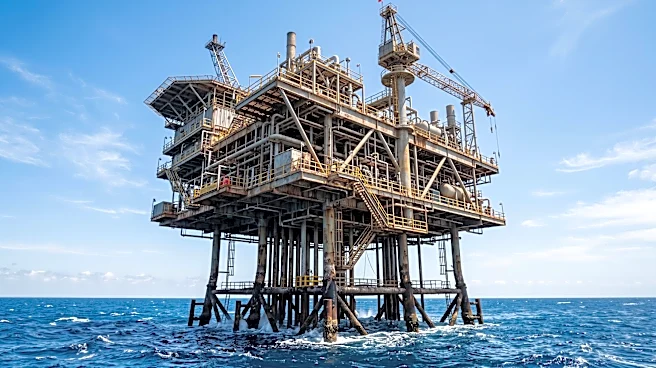
On October 19, a fire alarm was triggered at 11:15 a.m. on Abkatún-H, an unmanned satellite production platform located 45 miles off the coast of Campeche, Mexico. Sensors detected a fire on the steel structure, prompting fireboats to converge on the location
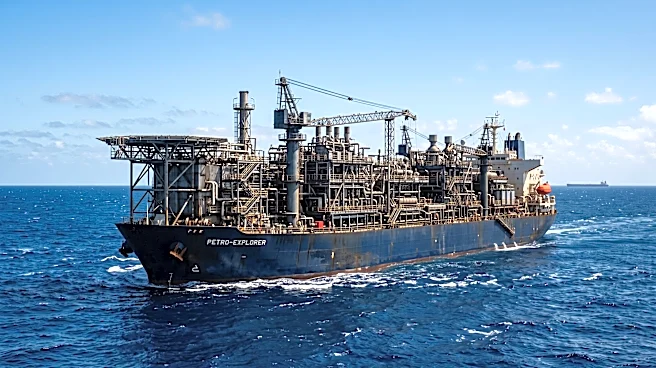
before human confirmation of smoke. The platform, which gathers crude and gas from subsea wells and transports it to a central processing hub, operates without a permanent crew. The fire was extinguished by evening, and no injuries were reported. This incident follows a previous hydrocarbon leak in February 2026 from the same offshore area, which affected approximately 390 miles of coastline and was reportedly hidden by operational divisions within the state-run oil company.
Why It's Important?
This incident highlights the ongoing safety and environmental concerns surrounding aging offshore oil infrastructure, particularly in regions like the Bay of Campeche. While no injuries were reported, a fire on an unmanned platform underscores the risks associated with automated systems and the potential for significant environmental damage, as evidenced by the earlier 400-mile oil spill. For the U.S., such events in neighboring oil-producing regions can have implications for energy markets, environmental protection efforts, and cross-border regulatory cooperation. The reliance on decades-old steel infrastructure without sufficient capital refresh, as noted in the report, increases the margin for error and the likelihood of future incidents, potentially impacting global oil supply and prices.
What's Next?
An investigation into the October fire remains open, with the operator committed to publishing a root cause finding once the inquiry concludes. Until then, the exact damage to the platform, whether any wells were shut in, and the impact on output from the wider Abkatún Pol Chuc complex remain undisclosed. The incident will likely prompt further scrutiny of the operator's safety protocols and the integrity of its aging infrastructure. Regulators and the public will seek answers regarding the cause of the fire and measures to prevent future occurrences. This event could also lead to increased pressure for investment in modernizing offshore facilities and enhancing environmental safeguards in the region, potentially influencing international standards for offshore drilling and production.
Beyond the Headlines
The fire on the unmanned platform, coupled with the previous hidden oil leak, points to deeper systemic issues within the operator's management and oversight. The distinction between a fire alarm on an unmanned structure and a subsea pipeline leak, while physically different, are connected by the 'sustained offshore strain' on aging infrastructure. This raises ethical questions about corporate responsibility, transparency, and the balance between cost-saving measures and environmental protection. The incident also highlights the challenges of managing complex, interconnected offshore facilities where a single fault can have far-reaching consequences. The long-term implications could include stricter international regulations for offshore oil and gas operations, increased public demand for accountability from energy companies, and a re-evaluation of the environmental risks associated with continued reliance on fossil fuels from aging infrastructure.