


What's Happening?
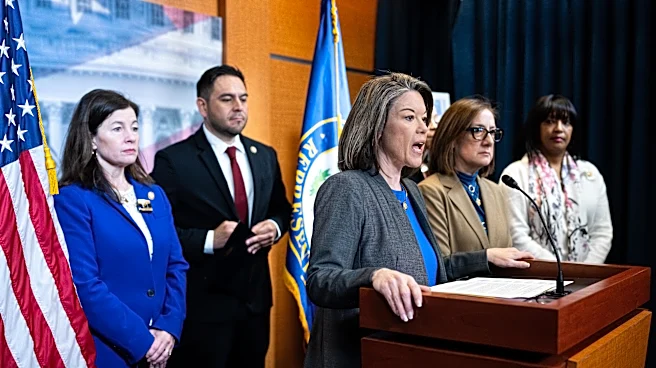
Senator Cory Booker (NJ) and Representative Judy Chu (CA-28) have reintroduced the Developing Innovative Partnerships and Learning Opportunities that Motivate Achievement (DIPLOMA) Act. This legislation aims to provide federal grants to states to support
and encourage community schools, which are collaborative efforts between schools and community partners. These partnerships are designed to address the holistic needs of students through evidence-based practices. The bill also includes provisions for planning grants to assist states in designing effective implementation strategies. Senator Booker emphasized that the act will help unite schools, families, and community partners to ensure children have access to necessary resources and opportunities, drawing from his experiences in Newark. Representative Chu highlighted that the DIPLOMA Act would integrate comprehensive services like healthcare, tutoring, and family support into schools, transforming them into full-service community hubs.
Why It's Important?
The reintroduction of the DIPLOMA Act is significant because it seeks to address systemic educational inequities by fostering stronger community-school partnerships. By providing federal grants, the bill aims to expand access to critical support services beyond traditional academic instruction, including health care, mental health services, and family engagement programs. This holistic approach recognizes that students' success is deeply intertwined with their overall well-being and the support systems available in their communities. If passed, the DIPLOMA Act could lead to a more integrated and comprehensive educational model across states, potentially improving academic outcomes, reducing achievement gaps, and strengthening community ties, particularly in underserved areas. It represents a federal commitment to a broader definition of student success that extends beyond the classroom.
What's Next?
The DIPLOMA Act will now proceed through the legislative process in Congress. Its passage would enable states to apply for federal grants to establish or expand community school initiatives. This would involve developing partnerships between public schools and various community entities such as local governments, higher education institutions, non-profits, businesses, or foundations. The funds could be utilized for a range of programs, including early childhood education, academic enrichment, alternative graduation pathways, youth development, and improved health services. The success of the bill will depend on bipartisan support and its ability to navigate committee reviews and floor votes in both the House and Senate. If enacted, states would then begin the process of designing and implementing their strategies to leverage these federal resources.
Beyond the Headlines
The DIPLOMA Act reflects a growing recognition of the limitations of traditional schooling models in addressing the complex challenges faced by students and families. By promoting community schools, the legislation implicitly acknowledges the social determinants of educational success, moving beyond a purely academic focus. This approach could foster greater community cohesion and shared responsibility for student welfare, potentially leading to more resilient and supportive local ecosystems. Furthermore, the emphasis on evidence-based practices suggests a commitment to effective, data-driven interventions, which could set a new standard for how federal education funding is allocated and utilized. The bill also highlights the ongoing efforts by lawmakers to create comprehensive support systems that address the multifaceted needs of children and families, aiming for long-term societal benefits.