




What's Happening?
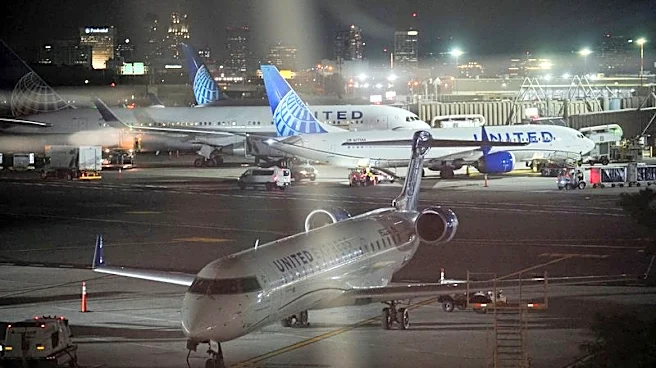
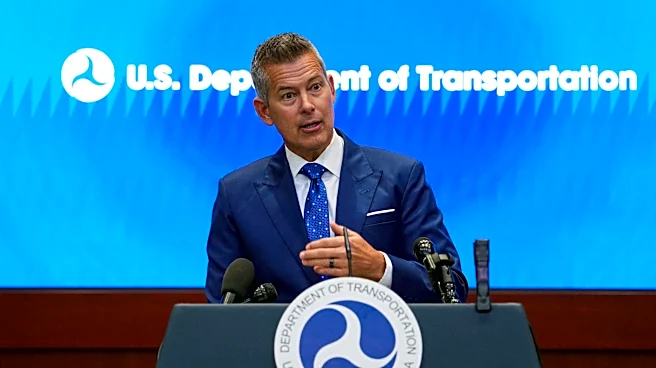
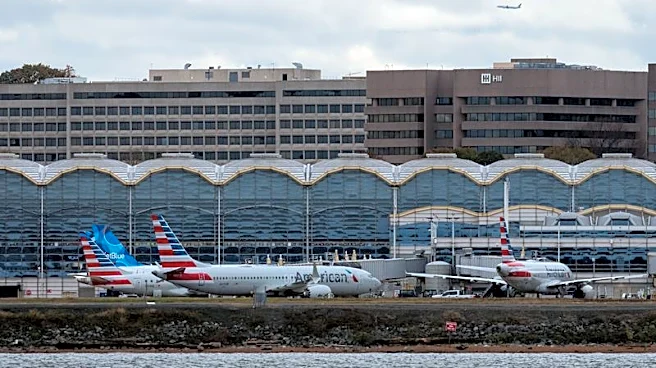
A nationwide ground stop has occurred, marking the first such event since January 2023, when a critical FAA computer system malfunctioned. The head of transportation has publicly vowed to identify the 'root cause' of this recent breakdown, indicating
a thorough investigation will be conducted. President Trump has also broken his silence on the incident, though the specifics of his comments were not detailed in the provided information. This widespread disruption has affected air travel across the country, leading to significant delays and cancellations. The incident underscores the fragility of critical infrastructure systems and the far-reaching consequences when they fail. Authorities are working to restore normal operations and prevent future occurrences.
Why It's Important?
This nationwide ground stop is significant due to its immediate impact on national air travel and its broader implications for infrastructure reliability and public confidence. Such an event disrupts thousands of flights, affecting millions of travelers, and can cause substantial economic losses for airlines, airports, and related industries. The transportation head's commitment to finding the 'root cause' highlights the seriousness with which the government views these disruptions, suggesting potential systemic issues that need addressing. President Trump's commentary on the breakdown further elevates the incident's profile, indicating its political salience. The incident raises questions about the resilience and redundancy of critical air traffic control systems and the need for continuous investment in their modernization and security. It also impacts national security by potentially hindering rapid deployment or response capabilities.
What's Next?
A comprehensive investigation into the cause of the nationwide ground stop is expected to commence immediately, led by transportation authorities. This will likely involve technical experts examining hardware, software, and operational protocols. The findings of this investigation will be crucial for implementing corrective measures and preventing future occurrences. Depending on the root cause, there could be calls for increased funding for infrastructure upgrades, enhanced cybersecurity measures, or revised operational procedures. Stakeholders, including airlines, pilot unions, and passenger advocacy groups, will likely demand transparency and accountability. The public will be closely watching for updates on the investigation and assurances that such widespread disruptions will be avoided in the future. Political leaders may also weigh in on the findings and proposed solutions.
Beyond the Headlines
The recurrence of a nationwide ground stop, following a similar event in January 2023, points to a deeper vulnerability within the nation's air traffic control infrastructure. This situation could trigger a broader re-evaluation of the entire system's resilience against both technical failures and potential cyber threats. The incident may also spark a debate about the balance between cost-efficiency and robust redundancy in critical national systems. Ethically, the disruption raises questions about the government's responsibility to ensure uninterrupted and safe public services, especially in sectors as vital as air travel. Culturally, such events can erode public trust in technological systems and government oversight, potentially leading to increased anxiety about travel and reliance on digital infrastructure. Long-term, this could accelerate efforts to develop more decentralized or resilient air traffic management solutions.