
What's Happening?
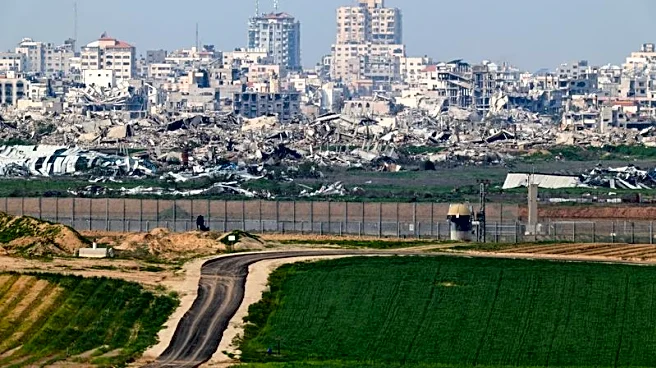
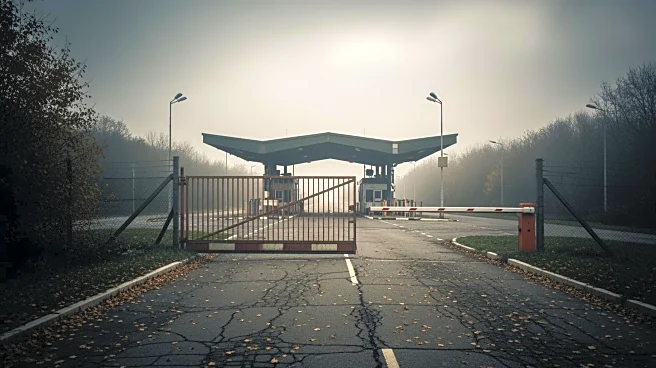
Israeli officials have stated that the reopening of the Rafah crossing, which connects Gaza to Egypt, is contingent upon the return of Staff Sgt. Ran Gvili, whose body is still held in Gaza. The crossing, if
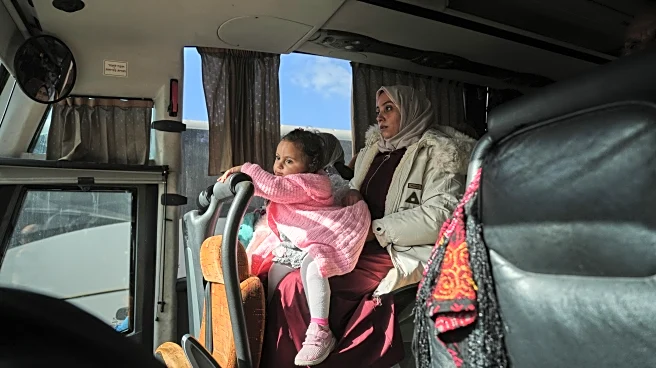
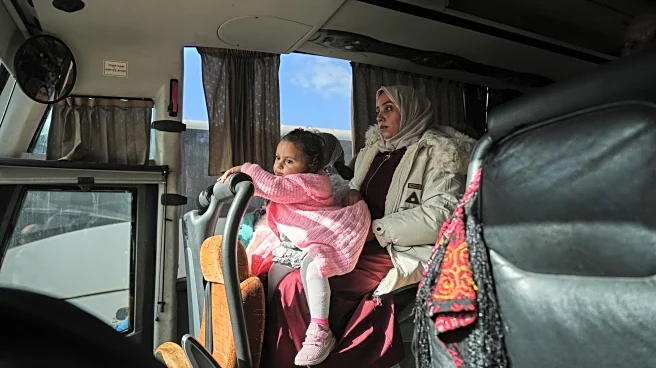
opened, would operate under a mechanism similar to a previous Israel-Hamas agreement, where Egyptian authorities submit a list of civilians for approval by Israeli security. The European Union Border Assistance Mission would manage the crossing, with local Gaza personnel assisting. The movement would be limited to civilians, including the wounded and sick, and would require Israeli security approval. A new mechanism for movement from Egypt back into Gaza is also proposed, involving identity verification by the EU mission and additional Israeli oversight.
Why It's Important?
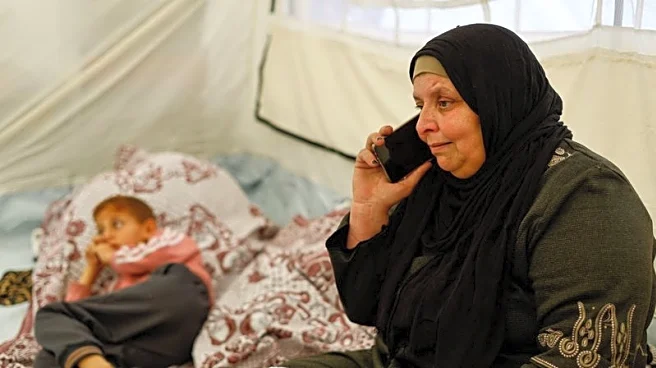
The reopening of the Rafah crossing is significant as it could facilitate humanitarian aid and civilian movement between Gaza and Egypt, potentially easing the humanitarian situation in Gaza. However, the condition tied to the return of Staff Sgt. Ran Gvili highlights the complex political and security dynamics at play. The decision impacts not only the local population but also international relations, as U.S. President Trump is reportedly pressuring involved parties to progress with the Gaza plan. The situation underscores the delicate balance between humanitarian needs and security concerns in the region.
What's Next?
No formal decision has been made yet, but operational planning for the crossing's reopening is complete. If approved, the crossing would open on a limited basis for people, not goods. The political leadership's decision will be crucial, and any announcement by President Trump could influence the timeline. The situation remains fluid, with potential implications for regional stability and international diplomatic efforts.