



What's Happening?
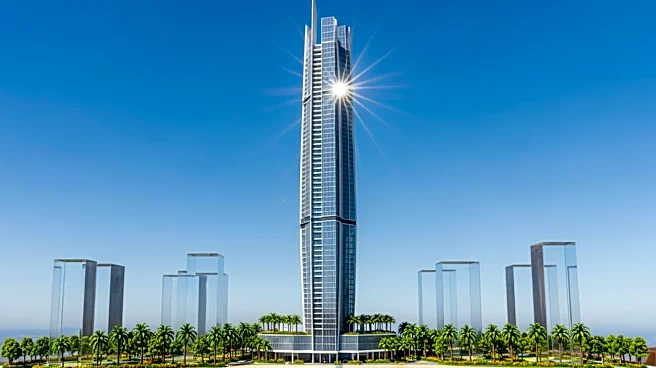
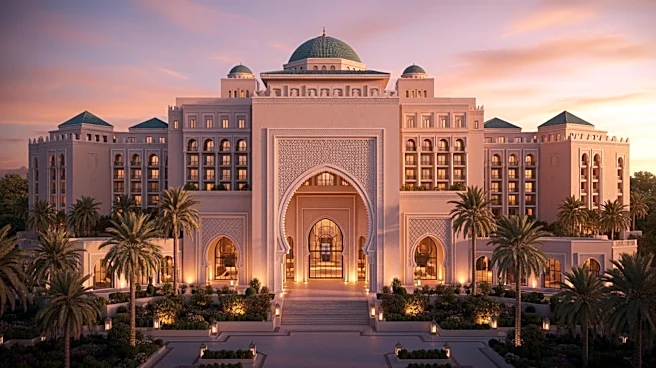
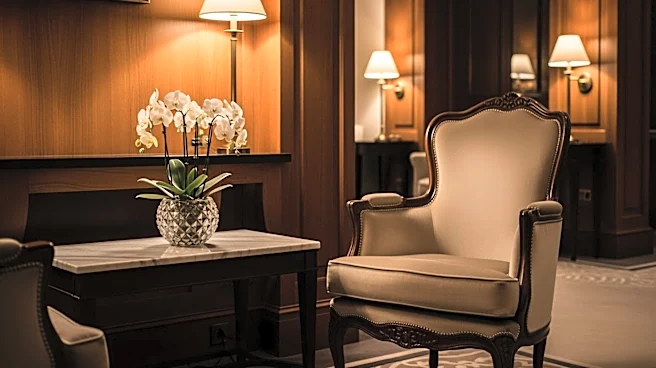
Waldorf Astoria has launched a new luxury hotel in Rabat-Salé, Morocco, located in the iconic Mohammed VI Tower, the tallest building in the country. The hotel features 55 rooms and suites, each designed to reflect Moroccan artistry and landscape. It
offers a range of amenities including five dining experiences, a serene spa, and one of North Africa's largest private art collections. The hotel aims to blend Waldorf Astoria's timeless elegance with Morocco's rich cultural heritage, providing guests with a unique and luxurious experience. The property is strategically located near UNESCO World Heritage sites and offers easy access to Rabat-Salé International Airport.
Why It's Important?
The opening of the Waldorf Astoria in Rabat-Salé signifies a significant investment in Morocco's tourism and hospitality sector, potentially boosting the local economy and creating job opportunities. It enhances the region's appeal as a luxury travel destination, attracting affluent tourists and business travelers. The hotel's focus on cultural heritage and luxury aligns with global trends in tourism that emphasize unique, culturally immersive experiences. This development could also encourage further investments in the region, promoting economic growth and international interest in Morocco's cultural and historical assets.
What's Next?
The Waldorf Astoria Rabat-Salé is expected to attract a high-profile clientele, including international tourists and business travelers. The hotel's strategic location and luxurious offerings may lead to increased tourism in the region, prompting other luxury brands to consider similar investments. The hotel's success could influence local hospitality standards, encouraging other establishments to enhance their services and facilities. Additionally, the hotel's integration with Hilton Honors may drive loyalty program members to explore Morocco, further boosting tourism.
Beyond the Headlines
The Waldorf Astoria's emphasis on cultural heritage and luxury could set a precedent for future developments in the region, highlighting the importance of integrating local culture into global hospitality brands. This approach not only preserves cultural identity but also enhances the guest experience by offering authentic and meaningful interactions with the local environment. The hotel's art collection and culinary offerings may also serve as a platform for promoting Moroccan artists and chefs on an international stage, fostering cultural exchange and appreciation.