




What's Happening?
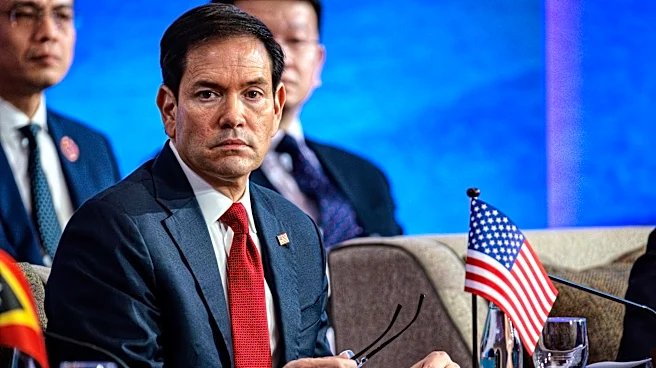
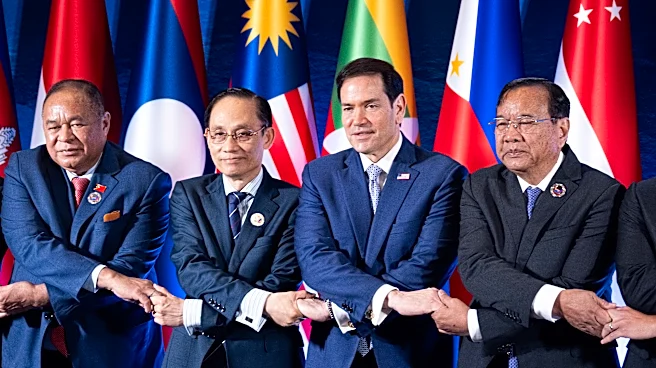
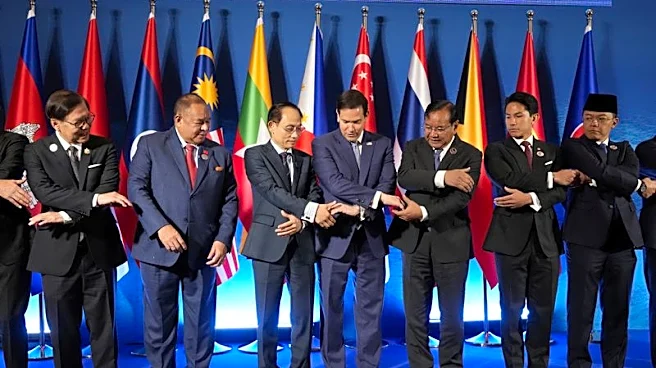
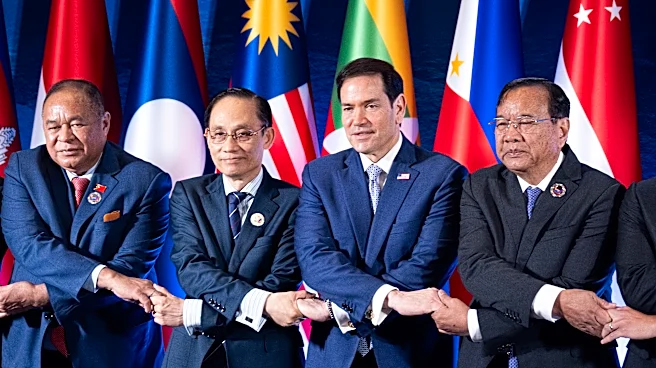
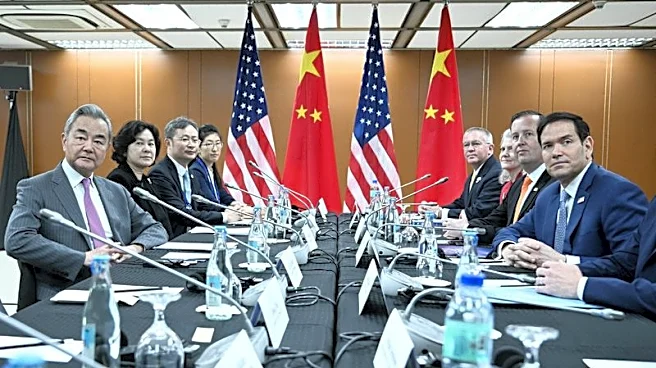
India and the United States are close to finalizing an interim trade agreement, following discussions between India's External Affairs Minister Dr. S. Jaishankar and US Secretary of State Marco Rubio in Manila. The talks, held on the sidelines of ASEAN
and East Asia meetings, focused on trade, tariffs, energy cooperation, and defense. Both sides emphasized the strategic nature of their partnership and the importance of concluding the trade deal. The US has proposed changes to its pharmaceutical tariff policy, which could impact India's generic medicine exports. Despite potential challenges, both nations are committed to strengthening ties across various sectors.
Why It's Important?
The interim trade deal represents a significant step in enhancing economic and strategic relations between India and the US. It could lead to increased trade and investment, benefiting industries in both countries. The agreement is particularly important for India, as changes in US tariff policies could affect its pharmaceutical exports, a key sector of its economy. Strengthening ties with the US also aligns with India's broader geopolitical strategy, enhancing its influence in the Indo-Pacific region. For the US, the deal supports its economic and strategic interests in Asia, countering regional challenges and fostering cooperation with a key ally.
What's Next?
As negotiations near completion, both countries are expected to finalize the details of the trade agreement, addressing outstanding issues such as tariffs and market access. The proposed visit of Secretary Rubio to India later this year could further advance bilateral discussions and solidify commitments. The implementation of the trade deal will likely involve adjustments in domestic policies and regulations to accommodate new trade terms. Both nations will continue to engage in high-level dialogues to ensure the successful execution of the agreement and explore additional areas of cooperation.