





What's Happening?
Finland has communicated its concerns to Ukraine following a Ukrainian drone strike on a Russian warship in the Gulf of Finland. Finnish Defence Minister Antti Hakkanen stated that Helsinki informed Kyiv about the sensitivity of the narrow Gulf of Finland stretch,
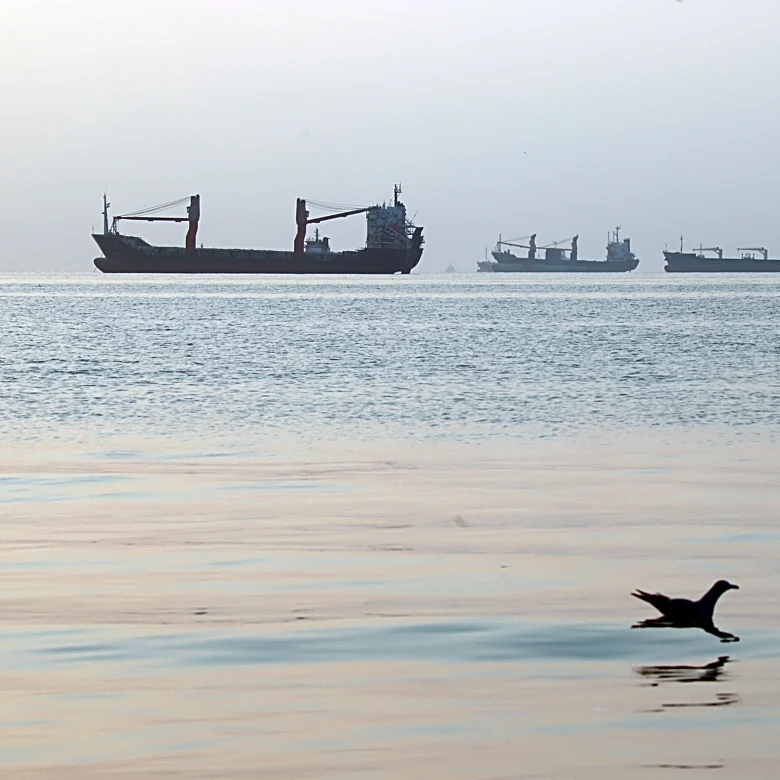
emphasizing environmental safety and civilian shipping safety. Despite the incident, Hakkanen assured the public that the Baltic Sea around Finland remains safe for navigation. The strike, which Ukraine's Security Service claimed targeted the Buyan-M-class small missile ship Naro-Fominsk, occurred near Gogland Island. This event marks a rare instance of Ukrainian forces striking a Russian vessel in the Baltic Sea, an area frequently used by civilian traffic. The Finnish Defence Forces confirmed detecting the strike and are monitoring the situation, though they noted no immediate military threat to Finland. The incident also coincided with Ukrainian drone activity targeting Russia's Ust-Luga oil port, causing a fire and injuring workers.
Why It's Important?
This incident highlights the potential for the conflict in Ukraine to spill over into the Baltic Sea region, a critical area for international shipping and energy infrastructure. The Gulf of Finland is a vital waterway connecting to St. Petersburg and serves as a key export outlet for Russian oil and grain. The involvement of NATO members Finland and Estonia, between whose coasts the strike occurred, raises concerns about regional stability and the security of maritime routes. While Finland has downplayed immediate threats, the strike underscores the expanding geographical scope of the conflict and the risks it poses to neutral shipping and environmental integrity. The incident also demonstrates Ukraine's continued efforts to pressure Russia's military and economic assets, even as diplomatic talks are underway, aiming to strengthen its negotiating position.
What's Next?
Further diplomatic exchanges between Finland and Ukraine are likely as Finland seeks to manage the risks associated with military actions in its vicinity. The international community will closely monitor any potential escalation in the Baltic Sea, particularly concerning the safety of civilian maritime traffic and environmental protection. Russia's response to the strike, which has not been publicly commented on regarding the warship, will also be a key factor. Ukraine is expected to continue its strategy of targeting Russian military and economic infrastructure to maintain pressure on Moscow, potentially leading to more incidents in sensitive areas. The ongoing U.S.-brokered talks between Russia and Ukraine may also be influenced by such military actions, as Ukraine aims to demonstrate strength at the negotiating table.
Beyond the Headlines
The strike in the Gulf of Finland brings to the forefront the complex interplay between military strategy, international law, and environmental concerns in a conflict zone. The emphasis by Finnish officials on environmental and civilian shipping safety reflects broader international anxieties about the collateral damage of warfare, especially in ecologically sensitive and economically vital maritime regions. This event could prompt a re-evaluation of maritime security protocols and international cooperation in the Baltic Sea, potentially leading to increased surveillance or joint efforts to mitigate risks. Furthermore, it underscores the challenge of maintaining neutrality and regional stability when a conflict extends into shared international waters, testing the boundaries of engagement for non-belligerent nations.