





What's Happening?
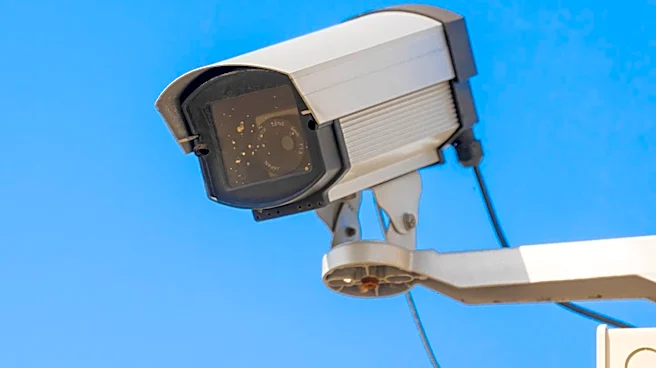
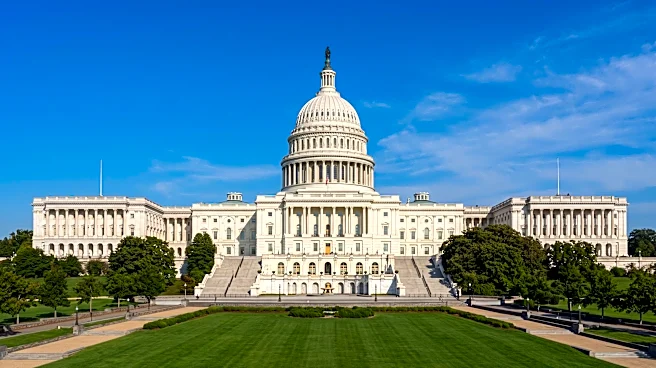
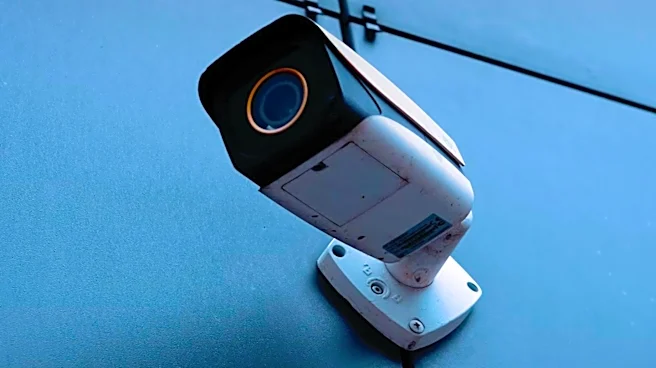
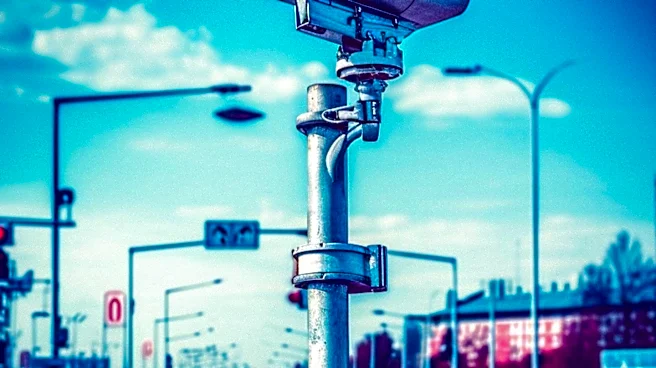
Kentucky Congressman Thomas Massie has introduced House Resolution 10221, known as the 'Flock-Off Act,' aimed at prohibiting federal funding for real-time surveillance cameras, including those manufactured by Flock. The bill seeks to prevent state, local,
and tribal governments from using federal funds to purchase, install, maintain, or operate such surveillance systems. This includes AI-augmented automated license plate readers and biometric cameras, as well as associated contracts, subscriptions, and data-sharing services. Massie stated that the federal government should not provide security grants to entities that turn communities into a 'version of 1984' by surveilling law-abiding citizens. The proposed legislation mandates that federal agencies remove federally funded camera systems and gives state and local agencies 180 days to disable their systems or risk losing federal program funding. Exceptions are made for cameras used for toll enforcement and those within one mile of the U.S. northern and southern borders for detecting unlawful entry, human trafficking, and drug smuggling.
Why It's Important?
The 'Flock-Off Act' is significant as it addresses growing concerns about privacy and government surveillance in the United States. By restricting federal funding for advanced camera systems, the bill aims to curb the expansion of what Congressman Massie refers to as a 'surveillance state.' This could have a substantial impact on local law enforcement agencies that rely on federal grants to acquire and maintain such technology. While proponents of these cameras argue they are crucial for crime prevention and solving cases, as evidenced by their role in arrests related to a JCPS bus stop shooting, critics like Massie contend they infringe on civil liberties. The legislation highlights a tension between public safety measures and individual privacy rights, potentially leading to a reevaluation of how surveillance technology is funded and deployed across the nation. The bill also reflects a broader debate about the appropriate role of federal funding in local policing and technology adoption.
What's Next?
The 'Flock-Off Act' will now proceed through the legislative process in the House of Representatives. Its future will depend on gaining support from other lawmakers and navigating potential opposition from law enforcement agencies and proponents of surveillance technology. If passed, federal agencies would be required to remove existing federally funded camera systems, and state and local governments would face a 180-day deadline to disable their systems or risk losing federal funding. This could lead to significant operational changes for police departments and municipalities that currently utilize these cameras. The bill's progression will likely spark further public debate on the balance between security and privacy, potentially influencing future policy decisions regarding surveillance technology at both federal and local levels. Stakeholders, including civil liberties advocates and law enforcement organizations, are expected to closely monitor and engage with the legislative process.
Beyond the Headlines
The introduction of the 'Flock-Off Act' delves into deeper implications concerning the future of digital privacy and the scope of government oversight in American society. The bill's focus on AI-augmented license plate readers and biometric cameras underscores the rapid advancement of surveillance technology and the ethical questions it raises. It challenges the notion that enhanced security automatically justifies widespread data collection on citizens, prompting a reevaluation of what constitutes 'reasonable' surveillance in a democratic society. The legislation could set a precedent for how emerging technologies are regulated, particularly those with the potential for mass data collection and analysis. Furthermore, it highlights a philosophical divide within governance regarding the balance between collective security and individual freedoms, potentially influencing public discourse and legal interpretations of privacy rights in the digital age. The outcome of this bill could shape the landscape of privacy protections for years to come.