





What's Happening?
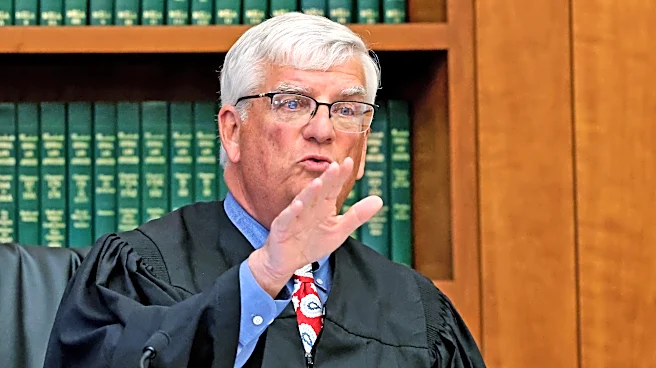
The North Dakota Supreme Court has issued a partial ruling stating that Dallas Rice, who is charged with felony theft, should have been allowed to withdraw his guilty plea and be considered for bond after the presiding judge, Judge Gary Lee, rejected
his plea deal. Rice's attorney, Ashley Gulke, has filed a motion for Judge Lee to recuse himself from the case, arguing that Rice has been held in jail against his constitutional rights and has been treated differently from other defendants. Previously, Judge Lee ordered Rice into custody after rejecting the plea deal, but the high court intervened, allowing Rice to bond out. The Supreme Court's ruling did not remove Judge Lee from the case, noting that Rice had not yet submitted a change-of-judge request at the district level. Prosecutors allege that Dallas Rice and his wife, Nichole Rice, stole over $180,000 from the Souris Valley Bowmen group while serving as its president and treasurer, respectively. Nichole Rice has since accepted a plea deal and was sentenced to 60 days in jail.
Why It's Important?
This development is significant as it underscores the procedural rights of defendants within the North Dakota judicial system, particularly regarding plea agreements and bond eligibility. The Supreme Court's intervention reinforces the principle that defendants should have the opportunity to reconsider their plea and seek bond if a proposed plea deal is rejected by the court. The defense's motion for recusal against Judge Lee highlights concerns about judicial impartiality and equal treatment under the law, which are fundamental to a fair legal process. The outcome of this recusal motion could set a precedent for how similar situations are handled in North Dakota courts, potentially influencing judicial conduct and defense strategies in future cases where plea deals are not accepted. For Dallas Rice, the ability to withdraw his plea and secure bond directly impacts his legal strategy and personal liberty as he prepares for a jury trial.
What's Next?
The state of North Dakota has two weeks to respond to the defense's motion for Judge Lee's recusal, after which the defense will have one week to reply. Dallas Rice currently has a status conference scheduled for November 17, and a jury trial is set to begin on January 19. His attorney, Ashley Gulke, has requested a stay on all current proceedings until the issue of the judge's recusal is resolved. The resolution of the recusal motion will be a critical next step, as it will determine whether Judge Lee continues to preside over the case or if a new judge will be assigned. This decision will likely influence the trajectory of the legal proceedings, including the upcoming status conference and jury trial. The outcome of the recusal request could also impact the defense's overall strategy and potentially lead to further appeals depending on the ruling.
Beyond the Headlines
This case delves into the intricate balance between judicial discretion and a defendant's constitutional rights. The defense's argument that Judge Lee treated Dallas Rice differently from similar defendants raises broader questions about consistency in judicial rulings and the potential for perceived bias. Such challenges to judicial authority, while not uncommon, can highlight systemic issues within the legal framework concerning how plea bargains are handled and how defendants are treated post-rejection. The Supreme Court's partial ruling, while not removing the judge, signals a judicial oversight function that ensures lower courts adhere to established legal procedures. This situation could prompt discussions within the North Dakota legal community about judicial training, ethical guidelines, and mechanisms for addressing claims of judicial bias, ultimately contributing to ongoing efforts to ensure fairness and equity in the state's justice system.