
What's Happening?
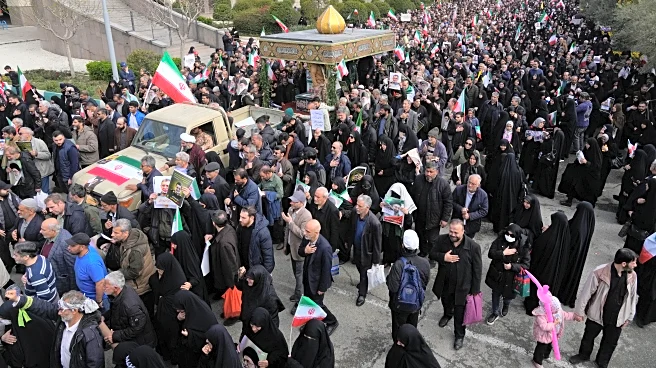
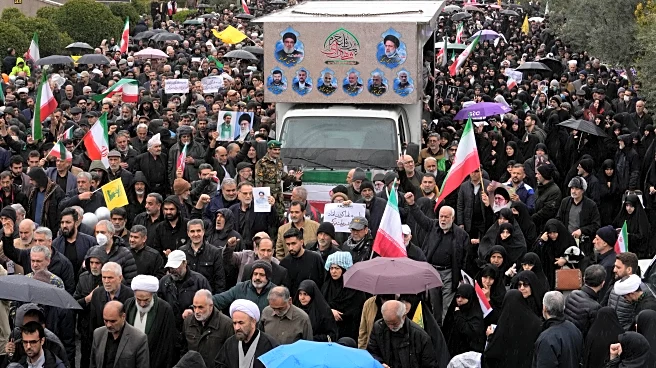
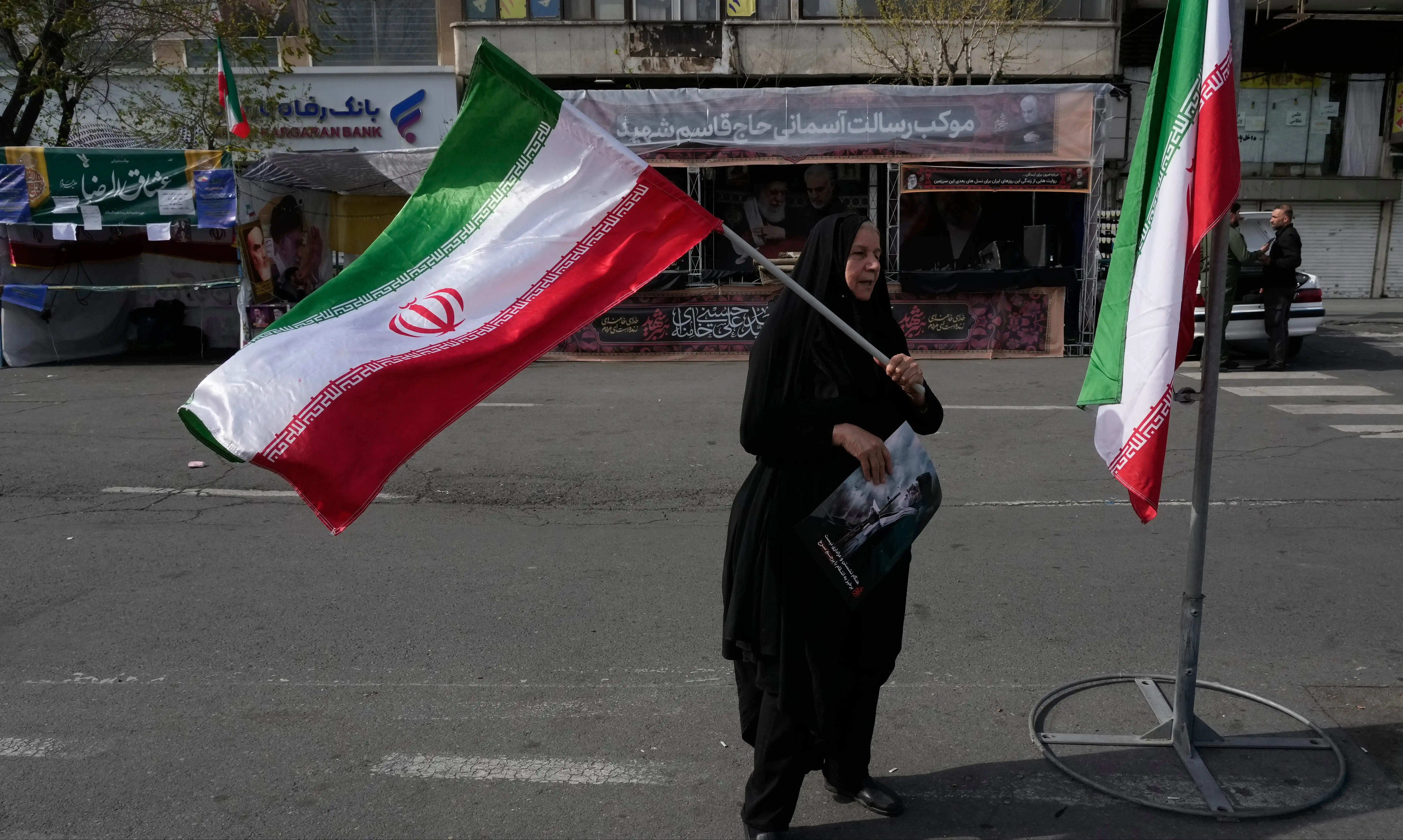
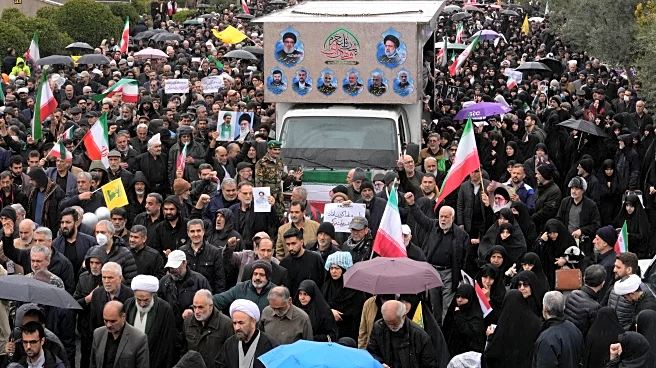
Iran has issued a threat to target recreational and tourist sites worldwide in response to ongoing U.S. and Israeli military strikes that have resulted in the deaths of several top Iranian leaders. The strikes, which began nearly three weeks ago, have targeted
Iran's military and energy infrastructure, significantly impacting its capabilities. Iran's top military spokesman, Gen. Abolfazl Shekarchi, warned that these sites would not be safe for Tehran's enemies, raising concerns about potential militant attacks beyond the Middle East. The conflict has also seen Iran retaliate by attacking energy sites in Gulf Arab states, further escalating tensions in the region.
Why It's Important?
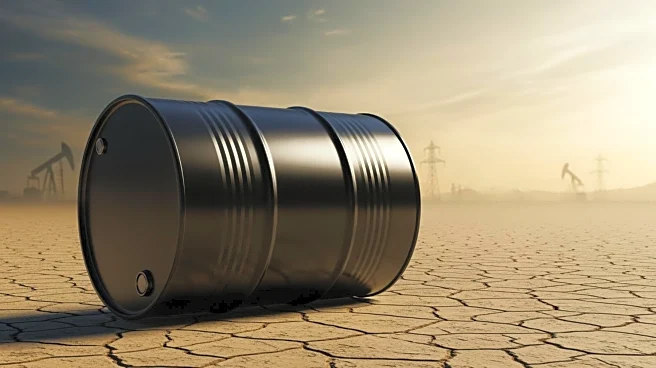
The threats and ongoing military actions have significant implications for global security and the economy. Iran's ability to disrupt oil supplies through attacks on energy infrastructure and its control over the Strait of Hormuz, a critical shipping route, poses a risk of a global energy crisis. The conflict has already led to a surge in oil prices, exacerbating existing economic challenges worldwide. Additionally, the potential for Iran to carry out attacks on international tourist sites could have far-reaching consequences for global travel and security, affecting tourism industries and international relations.
What's Next?
The situation remains volatile, with no clear resolution in sight. The U.S. and Israel continue their military operations, while Iran's threats suggest a possible expansion of the conflict beyond the Middle East. The international community may face increased pressure to intervene or mediate to prevent further escalation. Meanwhile, global markets and governments will need to prepare for potential disruptions in energy supplies and heightened security risks at tourist destinations.