








What's Happening?
Lisbon, Portugal, is recognized as the country's primary cultural center and a significant gateway for international visitors. The city is celebrated for its distinctive light, particularly visible from viewpoints such as Senhora do Monte. It offers a pleasant
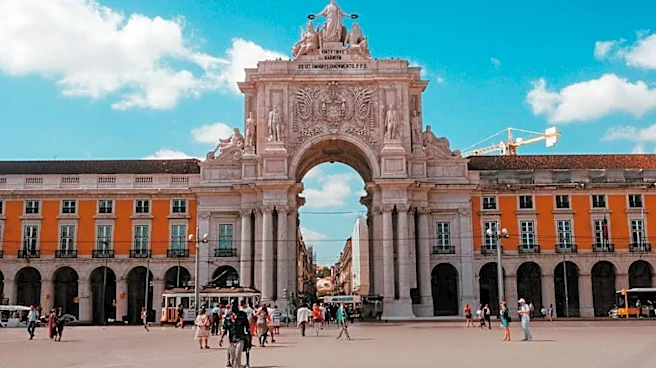
experience for tourists year-round, with spring and autumn being especially popular due to favorable temperatures and lighting conditions. Summer also provides an enjoyable atmosphere, while winter remains mild, attracting visitors who prefer to explore without the peak season crowds. Accommodation options in Lisbon are diverse, ranging from budget-friendly hostels to luxurious hotels. The city boasts numerous attractions, including the historic Belém Tower, the Jerónimos Monastery, a UNESCO World Heritage site, and the bustling Comércio square. The ideal area for lodging depends on individual preferences, such as proximity to major attractions, vibrant nightlife, or a more tranquil environment. Lisbon's central area, though compact, encompasses distinct neighborhoods like Chiado, Alfama, and Bairro Alto, each offering unique experiences.
Why It's Important?
Lisbon's growing prominence as a cultural and tourist destination has significant implications for the U.S. travel industry and American tourists. As a major European hub, it offers an accessible and attractive option for U.S. citizens seeking international travel experiences, potentially diverting tourism flows from other European cities. The city's diverse offerings, from historical sites to modern amenities, cater to a wide range of American travelers, from those interested in cultural immersion to those seeking leisure. The year-round appeal of Lisbon, with its mild winters, could also extend the travel season for U.S. tourists, impacting flight schedules and accommodation demands. For U.S. businesses in the travel and hospitality sectors, Lisbon's popularity presents opportunities for partnerships, package deals, and increased transatlantic travel, contributing to economic activity related to tourism.
What's Next?
Lisbon is expected to continue its trajectory as a leading European tourist destination, with ongoing efforts to enhance its infrastructure and visitor experience. The city's appeal during off-peak seasons, particularly winter, suggests a potential for sustained tourism growth throughout the year, which could lead to further development in its hospitality sector. Future developments may include increased direct flight options from U.S. cities, expanded cultural events, and improved public transportation to accommodate the growing number of visitors. The focus on preserving its historical sites while embracing modern amenities will likely attract a continuous stream of international tourists, including a significant portion from the U.S. The city's various neighborhoods will likely see continued investment to cater to diverse tourist preferences, from luxury stays to more authentic local experiences.
Beyond the Headlines
Beyond its immediate appeal as a tourist destination, Lisbon's rise reflects broader trends in global travel, where travelers increasingly seek authentic cultural experiences combined with modern comforts. The city's ability to maintain its historical charm while adapting to contemporary tourism demands highlights a successful model for urban development. The distinctive light of Lisbon, often cited as a unique characteristic, contributes to its aesthetic and cultural identity, influencing local art and photography. The diverse accommodation landscape, from historic hotels to modern hostels, also points to an inclusive tourism strategy that caters to various budgets and travel styles. This blend of history, culture, and accessibility positions Lisbon not just as a travel hotspot but as a case study in sustainable urban tourism, offering lessons for other cities aiming to attract international visitors while preserving their unique character.