






What's Happening?
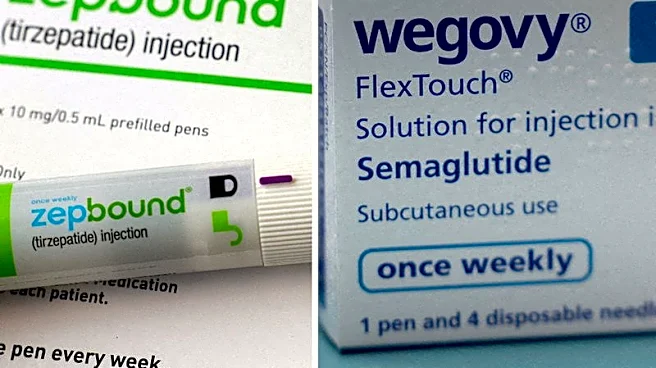
GLP-1 medications, including Ozempic, Wegovy, and Zepbound, are recognized for their health benefits and cost-effectiveness, yet insurance companies often restrict access due to the high budget impact. According to the Institute for Clinical and Economic
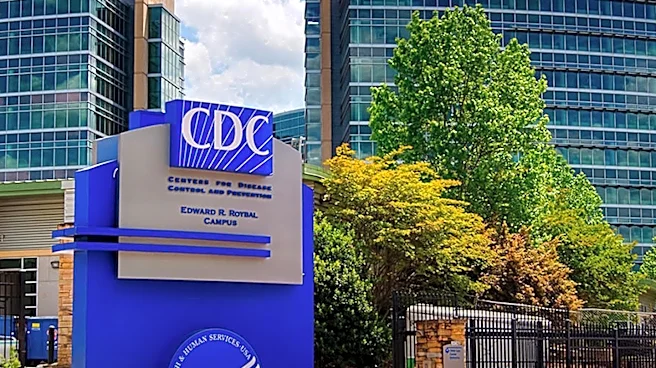
Review, these drugs provide significant value to society, but the large eligible patient population results in substantial financial burdens for insurers. The Centers for Disease Control and Prevention reports that about 40% of Americans have obesity, and if a small portion of this group begins GLP-1 treatment, insurance companies could face billions in new spending. Despite their value, the cost of these medications remains a barrier, with many patients discontinuing use due to financial constraints and side effects.
Why It's Important?
The restricted access to GLP-1 drugs highlights a significant challenge in balancing cost-effectiveness with affordability in healthcare. While these medications offer potential long-term savings by addressing obesity-related health issues, the immediate financial impact on insurance budgets is substantial. This situation underscores the broader issue of healthcare accessibility and affordability in the U.S., where cost-effective treatments may not be accessible to all who need them. The financial strain on insurance companies could lead to more restrictive coverage policies, affecting patients who rely on these medications for managing conditions like diabetes and sleep apnea.
What's Next?
As the demand for GLP-1 drugs grows, insurance companies may need to reassess their coverage policies to balance financial sustainability with patient needs. There is potential for expanded coverage for specific conditions, but this may come with tighter restrictions for others. Additionally, the use of compounded GLP-1 drugs, which are not FDA-approved, poses safety risks, emphasizing the need for patients to consult healthcare professionals before use. The ongoing debate over healthcare costs and access may drive policy changes aimed at improving affordability and accessibility of essential medications.
Beyond the Headlines
The situation with GLP-1 drugs reflects broader ethical and economic challenges in the healthcare system. The reliance on compounded drugs due to cost issues raises concerns about patient safety and the quality of care. Furthermore, the need for comprehensive lifestyle support alongside medication highlights the importance of holistic healthcare approaches. This case may prompt discussions on how to better integrate lifestyle interventions with pharmacological treatments to achieve sustainable health outcomes.