
What's Happening?
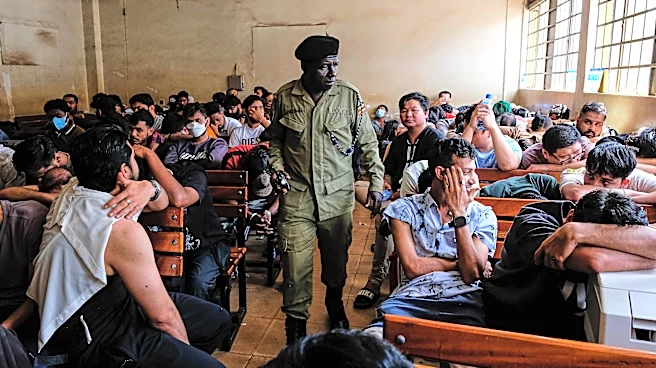
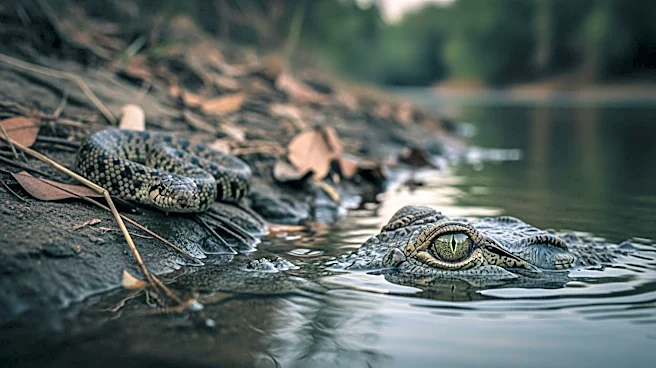
India is considering a controversial plan to introduce crocodiles and venomous snakes along its border with Bangladesh. This initiative, proposed by India's Border Security Force (BSF), aims to deter undocumented
migration and smuggling in areas where traditional fencing is challenging due to difficult terrain. The plan has sparked alarm among human rights activists and wildlife conservationists, who argue that it poses significant risks to local communities and ecosystems. The border, which spans 4,096 kilometers, includes marshy and riverine areas that are difficult to secure with physical barriers. The BSF's directive to explore the feasibility of deploying reptiles has been met with criticism, as it could lead to unintended consequences for both humans and wildlife.
Why It's Important?
The proposal to use wildlife as a border security measure highlights the ongoing challenges India faces in managing its borders with Bangladesh. The plan reflects broader political and social tensions, particularly concerning undocumented migration and the treatment of religious minorities. Critics argue that the use of dangerous animals as a deterrent is inhumane and could exacerbate existing tensions between India and Bangladesh. Additionally, the ecological impact of introducing non-native species to these areas could disrupt local ecosystems and harm biodiversity. This approach raises ethical questions about the use of wildlife in human conflicts and the potential for increased human-wildlife conflict.
What's Next?
If implemented, the plan could lead to significant changes in border security practices and international relations between India and Bangladesh. The proposal may face legal and environmental challenges, as well as opposition from human rights organizations. The Indian government will need to consider the potential diplomatic fallout and the impact on its international reputation. Further discussions and evaluations are likely to take place to assess the feasibility and implications of this approach. The outcome of these deliberations could influence future border security strategies and policies in the region.
Beyond the Headlines
The use of wildlife as a border security measure raises broader questions about the militarization of natural environments and the ethical implications of using animals in human conflicts. This approach could set a precedent for other countries facing similar border security challenges, potentially leading to increased use of wildlife in security operations. The plan also highlights the intersection of environmental and security issues, emphasizing the need for sustainable and humane solutions to complex geopolitical problems.