







What's Happening?
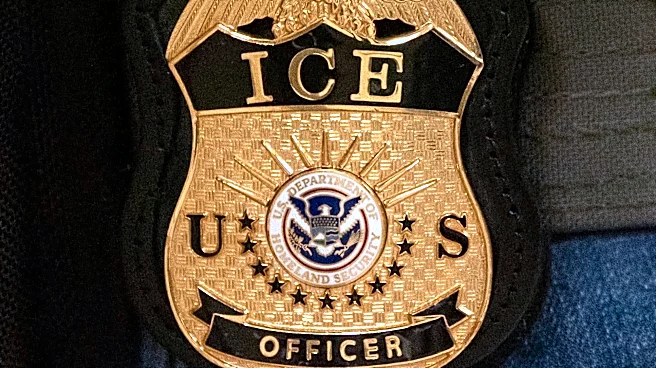
Sundas Naqvi, a US citizen of Pakistani descent, claimed she was illegally detained by Immigration and Customs Enforcement (ICE) at Chicago O'Hare International Airport upon returning from a work trip in Turkey. Her story, which included being held incommunicado
for 43 hours and transported across state lines, was supported by Cook County Commissioner Kevin Morrison. However, the Department of Homeland Security (DHS) and Dodge County Sheriff Dale Schmidt refuted her claims, stating Naqvi was not detained by ICE and was not in their custody. Surveillance footage and other evidence presented by Schmidt contradicted Naqvi's account, leading him to file a defamation lawsuit against her and Morrison.
Why It's Important?
The case highlights the complexities and potential consequences of false allegations against law enforcement agencies. If Naqvi's claims are proven false, it could undermine public trust in legitimate reports of misconduct and affect the credibility of those who advocate for detainee rights. The lawsuit also underscores the challenges public figures face in defamation cases, where proving 'actual malice' is necessary. This situation may impact the reputations of involved parties and influence public perception of immigration enforcement practices.
What's Next?
Sheriff Schmidt's defamation lawsuit is now in federal court, where he must demonstrate that Naqvi's statements were made with 'actual malice' and caused reputational harm. The case could set a precedent for how similar allegations are handled legally. Meanwhile, Naqvi and Morrison have yet to respond to the lawsuit, and the outcome may affect Morrison's political career and Naqvi's public standing. The legal proceedings will likely continue to attract media attention and public scrutiny.
Beyond the Headlines
The incident raises questions about the use of technology and social media in shaping narratives and influencing public opinion. The sheriff's assertion that location images were manipulated points to the potential for digital misinformation. Additionally, the case touches on broader issues of racial profiling and the treatment of minority groups by immigration authorities, which remain contentious topics in the US.