








What's Happening?
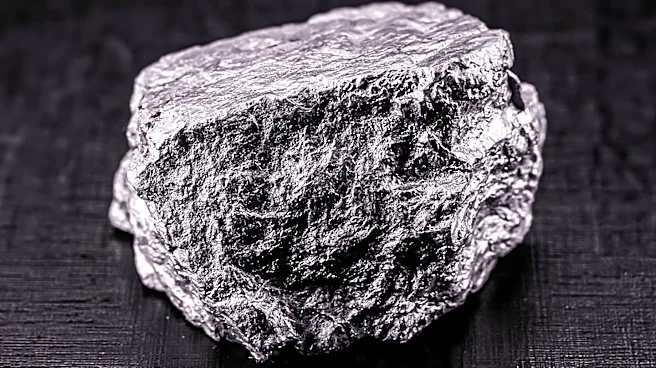
The Democratic Republic of Congo has announced a strategic move to withdraw unused cobalt export rights under the first-half quotas and reassign them to a state-controlled entity. This decision, made by the country's strategic minerals regulator, ARECOMS,
aims to tighten control over cobalt shipments from the world's leading producer. The reallocation of quotas is set to support projects of national interest, including boosting local processing and increasing value addition. The move comes as cobalt prices have surged significantly, driven by Congo's export restrictions. Companies that fail to utilize their allocated quotas by June 30 will forfeit them, and these will be reassigned to the strategic quota. This policy is part of Congo's broader effort to capture more value from its natural resources amid rising demand for electric vehicle batteries.
Why It's Important?
Congo's decision to reassign unused cobalt export quotas is significant for the global cobalt market, particularly as the country holds over 70% of the world's cobalt reserves. The move is likely to impact major international companies operating in Congo, such as China's CMOC and Glencore, by potentially limiting their export capabilities. This policy could lead to tighter global supply and further increase cobalt prices, affecting industries reliant on cobalt, especially the electric vehicle sector. By prioritizing local processing and value addition, Congo aims to enhance its economic benefits from its natural resources, which could lead to increased domestic economic activity and job creation. However, the policy also poses challenges for companies that may face penalties for not meeting export deadlines.
What's Next?
The new measures will take effect on July 1, with only shipments declared in the customs system by July 5 qualifying for export under the first-half quotas. Companies operating in Congo will need to adapt quickly to these changes to avoid losing their export rights. The reallocation of quotas to projects of national interest suggests a potential shift towards more state-controlled operations in the cobalt sector. This could lead to increased scrutiny and regulation of foreign companies operating in the country. The international market will be closely watching how these changes affect cobalt supply and pricing, as well as the broader implications for the electric vehicle industry.