




What's Happening?
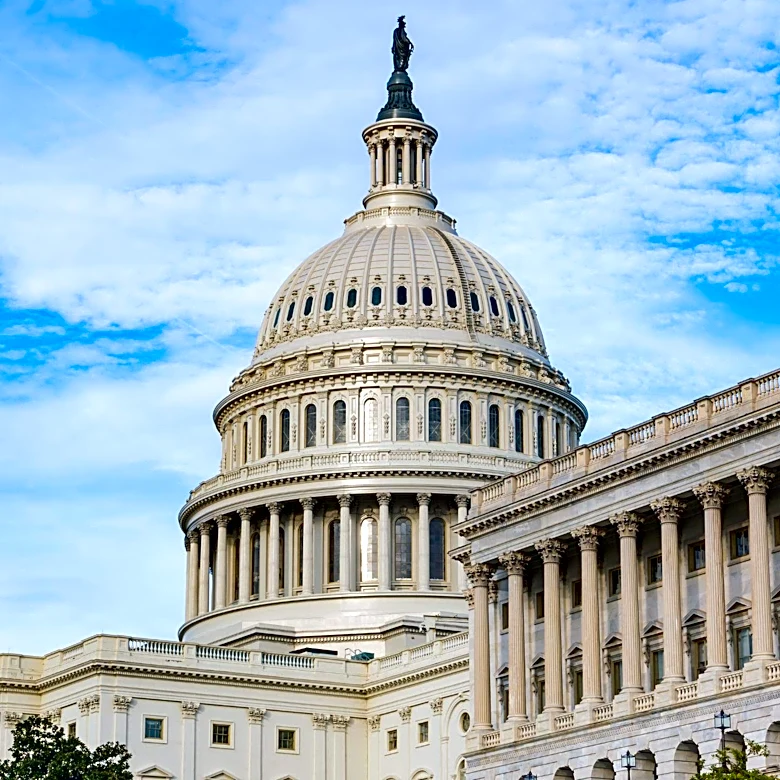
A bipartisan group, including Senator Martin Heinrich and Representative Gabe Vasquez, has introduced the M.H. Dutch Salmon Greater Gila Wild and Scenic River Act. This legislation aims to protect 450 miles of 30 free-flowing headwaters rivers and 144,000
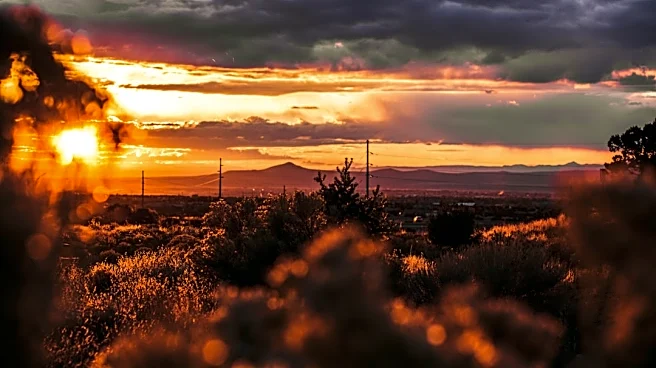
miles of riverside lands under the Wild and Scenic Rivers Act. The Gila River, a major tributary of the Colorado River, is recognized for its ecological significance, supporting diverse wildlife such as Gila trout, elk, mule deer, black bears, Mexican wolves, Gila monsters, peregrine falcons, and canyon wrens. The headwaters system, located in southwest New Mexico, represents the largest free-flowing headwaters remaining in the Southwest U.S. The bill is named after Maynard Hubbard 'Dutch' Salmon, a conservationist and advocate for the Gila River. This initiative comes at a time of significant water stress in the Colorado River system and increasing aridity in the Southwest.
Why It's Important?
The protection of the Gila River headwaters is crucial for maintaining the ecological health and water resources of the Southwest U.S. The Gila River system provides clean water that supports cities, agriculture, and economies, including communities like Silver City, NM, the Gila River Indian Community, and the greater urban area of Phoenix, AZ, as well as 180,000 acres of leafy greens in Yuma County. Preserving these headwaters ensures the continued existence of critical habitats for numerous species and safeguards natural water towers in a region facing unprecedented water stress and accelerating heat. The bipartisan support for this bill highlights a shared understanding of the interdependence between environmental protection and economic growth, demonstrating that conserving wild landscapes can also secure essential resources for communities and agriculture downstream. This effort could serve as a model for other natural resource bills awaiting Congressional action.
What's Next?
The M.H. Dutch Salmon Greater Gila Wild and Scenic River Act has been introduced and has undergone hearings in three different Congresses, positioning it favorably for passage. The bill has garnered broad support from various local and state interests, including the Grant County Board of Supervisors, the City of Bayard, the Town of Silver City, the Town of Hurley, the Fort Sill Chiricahua Warm Springs Apache Nation, the All Pueblo Council of Governors, faith-based organizations, veteran's organizations, outdoor recreation groups, sportsman's organizations, conservation organizations, and over 150 local businesses. The next step involves continued legislative action in Congress to advance the bill towards becoming law. Its passage would ensure permanent federal protection for the designated river segments, guaranteeing their free-flowing status indefinitely. This could set a precedent for other long-pending Wild and Scenic River bills.
Beyond the Headlines
The effort to protect the Gila River headwaters transcends immediate environmental concerns, touching upon deeper cultural and historical dimensions. The river system has been vital to the large, complex agricultural civilizations of the Hohokam and Mogollon peoples, and continues to hold significance for Indigenous communities today. The bill's bipartisan nature challenges the perception that conservation and economic growth are mutually exclusive, instead emphasizing their interconnectedness. By protecting the Gila, the legislation aims to preserve not only natural resources but also the collective spirit and heritage tied to these landscapes. The long-term implications include fostering a more sustainable approach to resource management in the face of climate change and development pressures, potentially influencing future policy decisions regarding water rights, land use, and biodiversity conservation across the U.S. Southwest.