
What's Happening?
The Diaspora Affairs Ministry of Israel has accused Doctors Without Borders (Médecins Sans Frontières) of employing individuals affiliated with terrorist organizations in Gaza and the West Bank. As a result,
the ministry announced that the organization would cease its operations in the Gaza Strip after refusing to share the names of its Palestinian staff. The ministry stated that the demand for names is a standard procedure for all international humanitarian organizations operating in the region, aimed at preventing the misuse of humanitarian cover for terrorist activities. Doctors Without Borders, a France-based NGO, cited safety concerns for its staff as the reason for withholding the names, highlighting the high death toll among aid workers during the ongoing conflict in Gaza. The organization has been active in global conflict zones, including Israel and the Palestinian territories, for over 50 years.
Why It's Important?
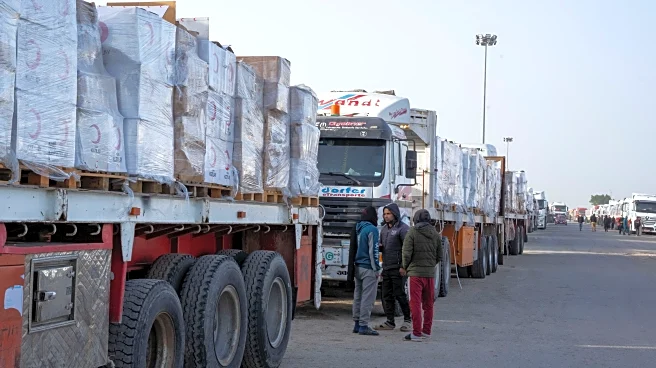
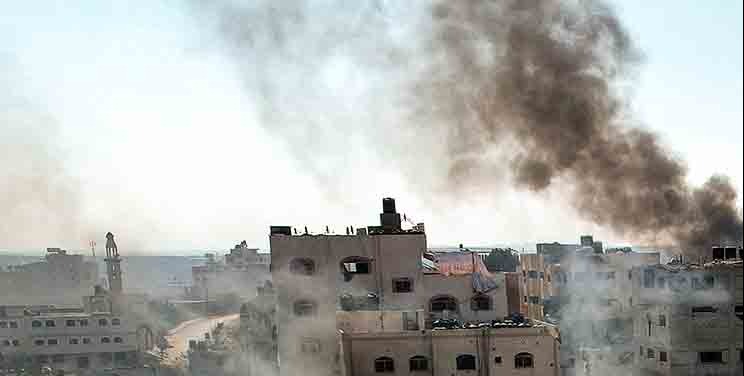
This development is significant as it impacts the delivery of humanitarian aid in Gaza, a region already facing severe challenges due to ongoing conflict. The cessation of operations by Doctors Without Borders could lead to a gap in medical assistance for Gaza residents, potentially exacerbating the humanitarian crisis. The situation underscores the complex dynamics of providing aid in conflict zones, where security concerns and political considerations often intersect. The decision by Israel's Diaspora Affairs Ministry reflects broader security policies aimed at preventing terrorism, but it also raises questions about the balance between security and humanitarian needs. The halt in operations may prompt other international organizations to reassess their presence and operational strategies in the region.
What's Next?
In response to the cessation of operations by Doctors Without Borders, the Diaspora Affairs Ministry has indicated that alternative medical aid arrangements are being made to ensure continuity of humanitarian assistance for Gaza residents. This may involve coordination with other international or local organizations willing to comply with the security requirements set by Israel. The situation could lead to diplomatic discussions between Israel and international humanitarian bodies to address the concerns raised by both sides. Additionally, the decision may influence the policies of other NGOs operating in conflict zones, potentially leading to changes in how they manage staff security and comply with host country regulations.