







What's Happening?
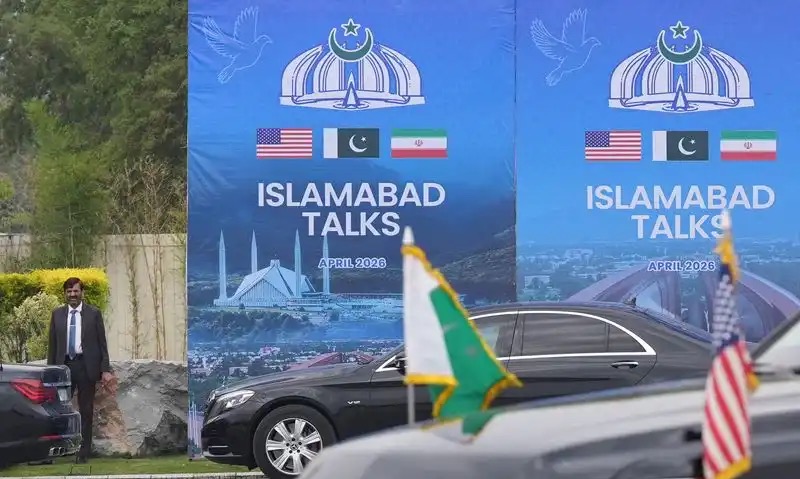
Pakistan is attempting to organize a second round of peace talks between the United States and Iran after the initial discussions in Islamabad ended without an agreement. The talks are part of ongoing efforts to address tensions between the two nations,
particularly concerning Iran's nuclear ambitions and the strategic Strait of Hormuz. The previous session, which took place over the weekend, failed to produce a breakthrough, leaving key issues unresolved. Both countries are considering resuming negotiations, with Pakistan playing a mediating role to facilitate dialogue.
Why It's Important?
The potential resumption of U.S.-Iran peace talks is significant as it could lead to de-escalation in a region marked by geopolitical tensions. The Strait of Hormuz is a critical chokepoint for global oil supplies, and any disruption could have far-reaching economic implications. Successful negotiations could stabilize oil markets and reduce the risk of military conflict. However, the failure to reach an agreement in the initial talks highlights the challenges in bridging the gap between U.S. demands and Iran's positions, particularly regarding nuclear enrichment and regional security.
What's Next?
If the talks proceed, they could occur as early as the end of the week, with both sides keeping their schedules open for potential negotiations. The outcome of these discussions will likely influence future diplomatic and military strategies in the region. Stakeholders, including regional allies and global powers, will be closely monitoring the situation, as the success or failure of these talks could impact international relations and economic stability.