






What's Happening?
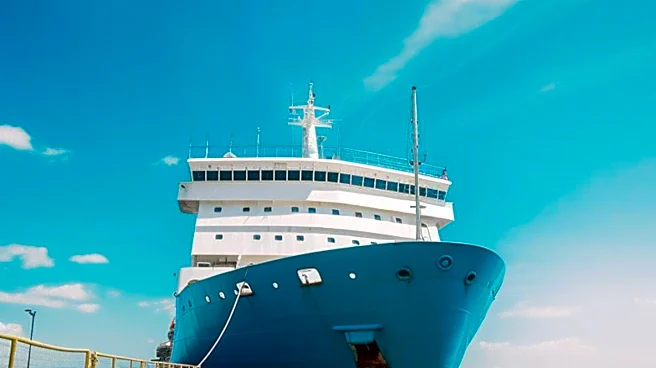
The reopening of the Strait of Hormuz poses significant biosecurity risks as over 1,500 commercial vessels, which have been stationary since February, are expected to spread marine biofouling species to new regions. These ships, having accumulated non-native
marine species on their hulls, could potentially cause an international biosecurity 'super-spreader' event. The Persian/Arabian Gulf, home to over 50 non-native species, presents a threat to ecosystems and industries in regions like New Zealand and Australia. Both countries have robust biosecurity frameworks, but managing biofouling on short-term commercial arrivals remains challenging.
Why It's Important?
The potential spread of invasive species from the Strait of Hormuz could have severe environmental and economic impacts. Native ecosystems, wild fisheries, and aquaculture stocks are at risk, which could lead to significant ecological damage and economic losses. The situation underscores the importance of international cooperation in biosecurity management. Effective measures are crucial to prevent the introduction of alien species that could disrupt local biodiversity and industries. The event highlights the interconnectedness of global maritime activities and the need for vigilant biosecurity practices.
What's Next?
Authorities in New Zealand and Australia are advised to implement early detection and rapid response strategies to manage biofouling risks. This includes pre-departure inspections, in-water cleaning, and forecasting vessel routes to assess biosecurity threats. National and port authorities are encouraged to establish rapid alert systems and share biosecurity events to mitigate potential impacts. The situation calls for global cooperation to protect environments and economies from marine biological invasions.