



What's Happening?
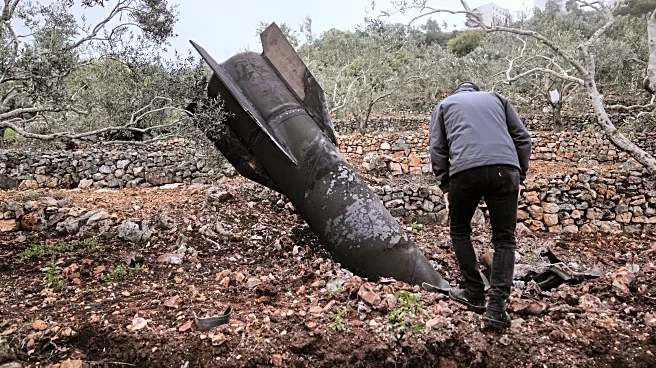
Oil prices have surged following President Donald Trump's threats to target Iran's energy infrastructure if the Strait of Hormuz is not reopened. The conflict in the Middle East has escalated, with the Iran-aligned Houthis attacking Israel and the U.S.
deploying additional troops to the region. The ongoing hostilities have disrupted global oil supplies, with Brent crude prices reaching $115 per barrel. President Trump has indicated that negotiations with a 'new, more reasonable' regime in Iran are ongoing, but warned of potential strikes on Iran's energy facilities if a deal is not reached soon.
Why It's Important?
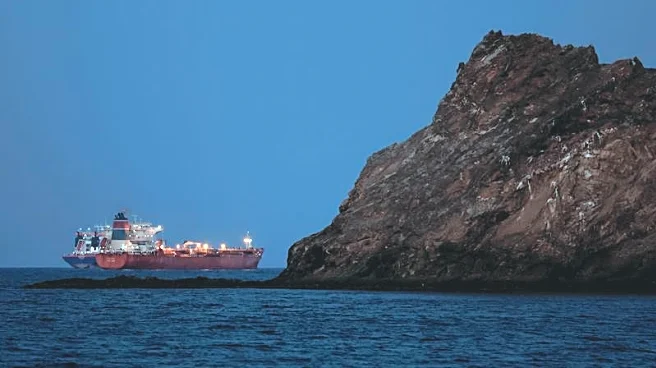
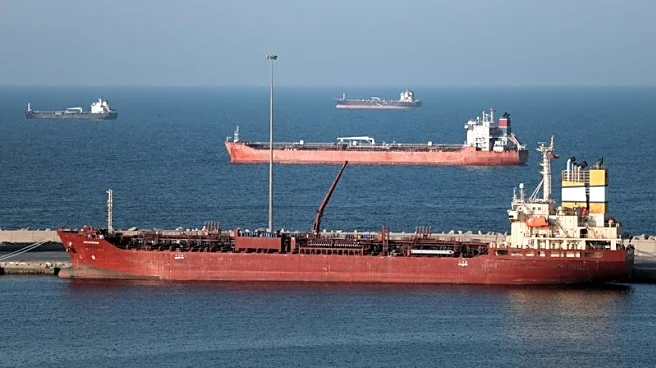
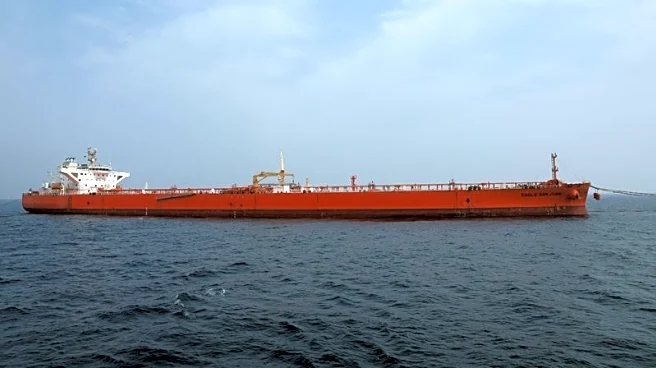
The rise in oil prices reflects the market's sensitivity to geopolitical tensions in the Middle East, particularly concerning the Strait of Hormuz, a vital oil transit route. The potential for military action against Iran's energy infrastructure could further disrupt global oil supplies, leading to higher prices and economic repercussions for energy-importing countries. The situation underscores the interconnectedness of global energy markets and the impact of regional conflicts on global economic stability. The U.S. administration's approach to resolving the conflict will have significant implications for international relations and energy security.
What's Next?
Negotiations between the U.S. and Iran are ongoing, with the potential for a diplomatic resolution to the conflict. However, the risk of further military escalation remains if a deal is not reached. The international community will likely continue to monitor the situation closely, as the outcome could have significant implications for global energy markets and geopolitical stability. The U.S. may also explore alternative strategies to ensure the free flow of oil through the Strait of Hormuz, potentially involving international coalitions or diplomatic efforts.