
What's Happening?
Researchers at Texas A&M University have developed a nasal spray that shows promise in reversing age-related brain inflammation, a condition linked to cognitive decline and diseases such as Alzheimer's.
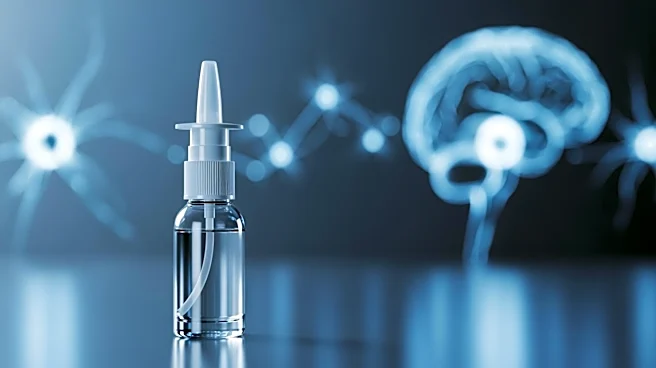
The study, led by Dr. Ashok Shetty and his team, demonstrated that the treatment could reduce inflammation, restore cellular energy, and improve memory in subjects. The nasal spray utilizes extracellular vesicles (EVs) to deliver microRNAs directly to the brain, bypassing the blood-brain barrier. This innovative approach has shown rapid and lasting cognitive benefits, with improvements noted within weeks and sustained over months. The treatment's effectiveness across genders is particularly noteworthy, as it is uncommon in biomedical research. The team has filed a U.S. patent for the therapy, highlighting its potential to transform how neurodegenerative diseases are treated.
Why It's Important?
The development of this nasal spray is significant as it addresses the growing public health challenge posed by neurodegenerative diseases. In the U.S., dementia cases are projected to nearly double by 2060, underscoring the urgent need for effective interventions. This treatment could offer a non-invasive alternative to current therapies, potentially reducing the reliance on risky procedures or prolonged medication regimens. By targeting the root causes of brain aging, the therapy aims to keep individuals mentally sharp and socially engaged, thereby improving quality of life. The research also emphasizes the role of Texas A&M in bridging scientific discovery with practical applications, potentially setting a precedent for future innovations in the field.
What's Next?
Further research is needed to validate the findings and explore the full potential of the nasal spray in clinical settings. The team at Texas A&M is likely to continue their collaboration with the National Institute on Aging to refine the therapy and expand its applications. If successful, the treatment could be scaled for widespread use, offering a new tool in the fight against cognitive decline. Stakeholders, including healthcare providers and policymakers, may need to consider integrating such innovative therapies into existing healthcare frameworks to address the rising incidence of dementia.
Beyond the Headlines
The use of extracellular vesicles and microRNAs in this therapy highlights a broader trend in biomedical research towards precision medicine. By targeting specific molecular pathways, researchers can develop treatments that are more effective and have fewer side effects. This approach could pave the way for similar innovations in other areas of medicine, potentially transforming how age-related diseases are managed. Additionally, the therapy's success could stimulate further investment in research focused on non-invasive delivery methods, expanding the possibilities for treating a range of neurological conditions.