





What's Happening?
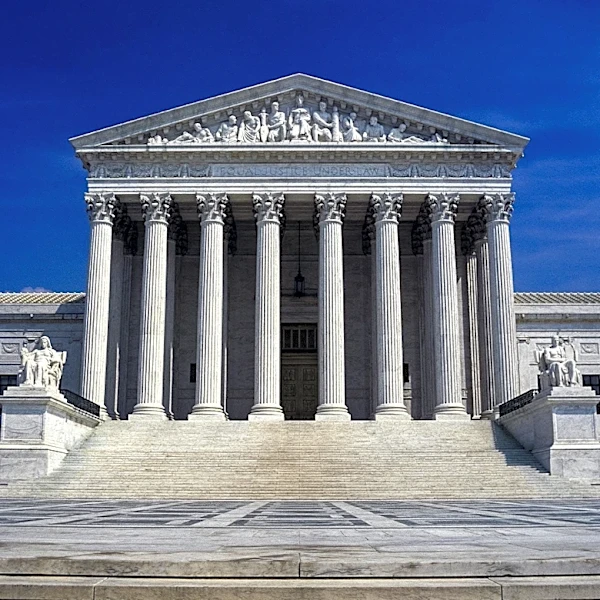
Pittsburgh is moving to tax skill games following a Pennsylvania Supreme Court ruling that classified them as gambling devices. These machines, which resemble slot machines but include a skill element, have proliferated across the state. The Pittsburgh City
Council has voted to require businesses to license these machines and pay an annual fee. The state legislature is also exploring additional taxation measures. The decision comes after years of legal ambiguity regarding the regulation of skill games, which have been a source of revenue for small businesses.
Why It's Important?
The taxation of skill games in Pittsburgh highlights the ongoing debate over gambling regulation and its impact on local economies. While the city sees an opportunity to generate revenue, there are concerns about the social implications of widespread gambling access. Skill games may disproportionately affect vulnerable populations, including those with gambling addictions. The decision to tax these games reflects broader questions about the role of government in regulating potentially harmful activities and balancing economic benefits with social responsibility.
Beyond the Headlines
The move to tax skill games raises ethical questions about the regulation of addictive experiences. Policymakers must consider whether the potential harm to individuals justifies restrictions on these games. The decision also reflects a broader trend of governments seeking new revenue sources amid budget constraints. The outcome in Pittsburgh could influence other municipalities facing similar challenges, prompting a reevaluation of gambling policies and their societal impact.