
What's Happening?
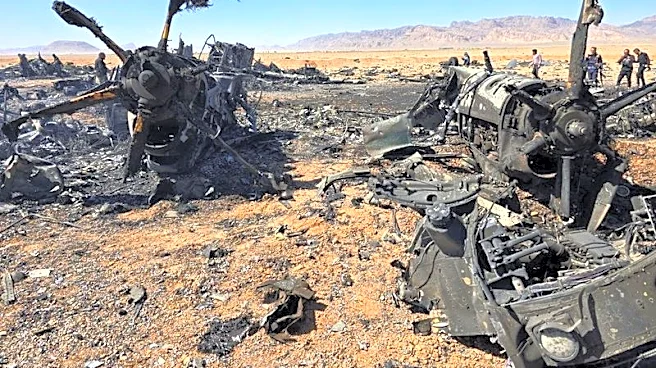
President Trump has issued a stern warning to Iran, demanding the reopening of the Strait of Hormuz. This ultimatum comes in the wake of a U.S. military operation that successfully rescued a downed airman
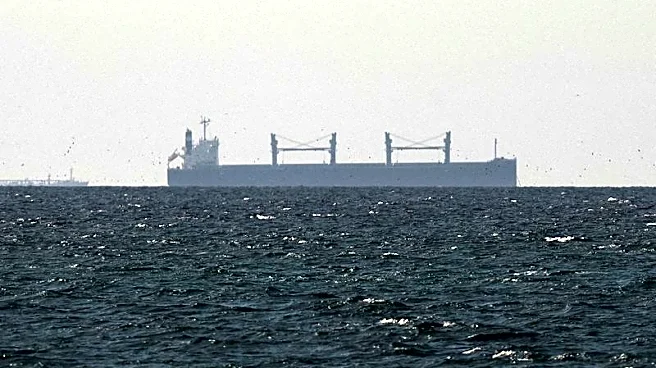
within Iranian territory. The Strait of Hormuz is a critical maritime chokepoint through which a significant portion of the world's oil supply is transported. The closure or obstruction of this passage could have severe implications for global oil markets and international trade. The U.S. administration's demand underscores the heightened tensions between the two nations, with the potential for further escalation if the situation is not resolved diplomatically.
Why It's Important?
The Strait of Hormuz is a vital artery for global oil transportation, and any disruption could lead to significant economic repercussions worldwide. President Trump's demand highlights the strategic importance of this region and the potential for conflict to impact global energy markets. The U.S. military's involvement in rescuing a downed airman further complicates the geopolitical landscape, potentially straining diplomatic relations. The situation underscores the delicate balance of power in the Middle East and the U.S.'s role in maintaining stability in the region. Stakeholders in the oil industry, as well as international governments, are closely monitoring developments, as any escalation could lead to increased oil prices and economic instability.
What's Next?
The international community is likely to watch closely for Iran's response to President Trump's ultimatum. Diplomatic efforts may be initiated to de-escalate tensions and ensure the safe passage of vessels through the Strait of Hormuz. The U.S. may also seek to engage allies in the region to bolster security and maintain open shipping lanes. Potential reactions from Iran could include diplomatic negotiations or, conversely, further military posturing. The outcome of this situation could set a precedent for future interactions in the region, influencing U.S. foreign policy and international relations.