



What's Happening?
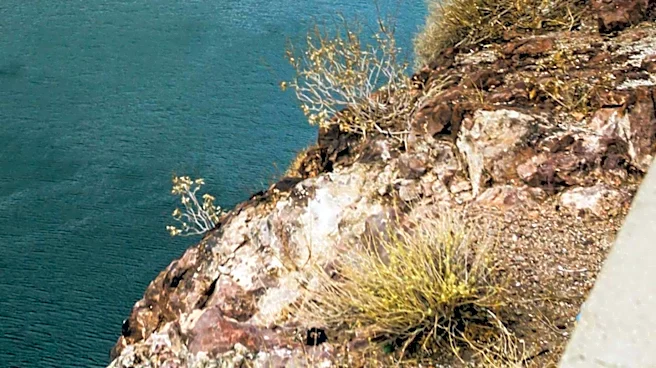
The City of Henderson, North Carolina, has enacted mandatory water conservation measures for all its water customers. This decision comes in response to critically low water levels in Kerr Lake, which serves as the primary water source for both the city
and the surrounding county. Residents, businesses, and other customers are now required to limit their water usage and avoid nonessential consumption. Specific restrictions include refraining from watering lawns and gardens, washing vehicles, and filling swimming pools. The city is also encouraging additional conservation efforts such as taking shorter showers, promptly repairing leaks, and operating dishwashers and washing machines only when full. These mandatory measures will remain in effect until water levels in Kerr Lake improve sufficiently for the restrictions to be lifted.
Why It's Important?
This mandatory water conservation order highlights the increasing vulnerability of municipal water supplies to environmental factors, particularly in regions reliant on single primary sources like Kerr Lake. For residents and businesses in Henderson, the immediate impact includes changes to daily routines and operational practices, potentially affecting industries that are water-intensive, such as landscaping or car washing services. The long-term implications could involve increased costs for water management, potential economic slowdowns if water scarcity persists, and a greater emphasis on sustainable water practices. This situation underscores the broader national challenge of water resource management in the face of changing climate patterns and growing populations, prompting communities to re-evaluate infrastructure and conservation strategies to ensure future water security.
What's Next?
The mandatory water conservation measures will continue indefinitely until the water levels in Kerr Lake show significant improvement, and city officials determine that the restrictions can be safely eased or lifted. Residents and businesses are expected to comply with the new regulations, and the city will likely monitor water usage to ensure adherence. Future actions could include public awareness campaigns to further educate citizens on water-saving techniques and potential investments in alternative water sources or infrastructure improvements to enhance water resilience. The duration of these measures will largely depend on weather patterns, particularly rainfall, and the effectiveness of the community's conservation efforts in mitigating the impact of the low lake levels.
Beyond the Headlines
The situation in Henderson reflects a growing national concern regarding water scarcity and the need for robust water management policies. Beyond the immediate conservation efforts, this event could catalyze a deeper community discussion about long-term environmental sustainability and urban planning. It may prompt a re-evaluation of development practices, particularly those that increase water demand, and encourage investment in water-efficient technologies and infrastructure. The reliance on a single water source like Kerr Lake also brings into focus the importance of diversifying water portfolios and exploring options such as water recycling, stormwater harvesting, or desalination in areas where feasible. This local crisis serves as a microcosm of the broader challenges facing many U.S. communities in adapting to climate change and ensuring essential resource availability.