


What's Happening?
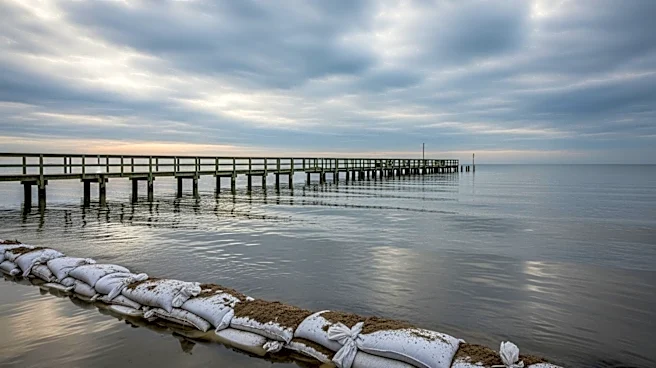
A comprehensive study conducted by researchers at the University of Alabama has identified that over 17 million people living along the U.S. Atlantic and Gulf coasts are at significant risk of flooding. The study utilized 16 different factors, including
geographic hazards and infrastructure vulnerability, to assess flood risks from Texas to Maine. It found that 17.5 million people are at 'very high' risk, while an additional 17 million are at 'high' risk. The study highlights cities like New York and New Orleans, which have large populations at risk due to past extreme weather events such as Hurricane Sandy and Hurricane Katrina. The research underscores the vulnerability of socially disadvantaged groups, including the elderly and poor, who are most at risk during major storms.
Why It's Important?
The findings of this study are crucial for urban planning and emergency management, as they provide detailed insights into flood risks that can inform infrastructure development and disaster preparedness strategies. With climate change exacerbating weather extremes, cities like New York and New Orleans face increasing threats from flooding. The study's data can aid local governments in prioritizing areas for flood mitigation efforts, potentially saving lives and reducing economic losses. Additionally, the study calls for a shift towards natural infrastructure solutions, such as wetlands and rain gardens, to complement traditional flood defenses like dams and levees.
What's Next?
Local officials and planners are expected to use the study's findings to enhance flood preparedness and resilience strategies. This may involve revising building codes, investing in flood defenses, and implementing community education programs about flood risks. The study also suggests that emergency managers and utility providers could benefit from the data to improve response plans for flash floods. As climate change continues to impact weather patterns, ongoing research and adaptation will be necessary to protect vulnerable populations and infrastructure.