




What's Happening?
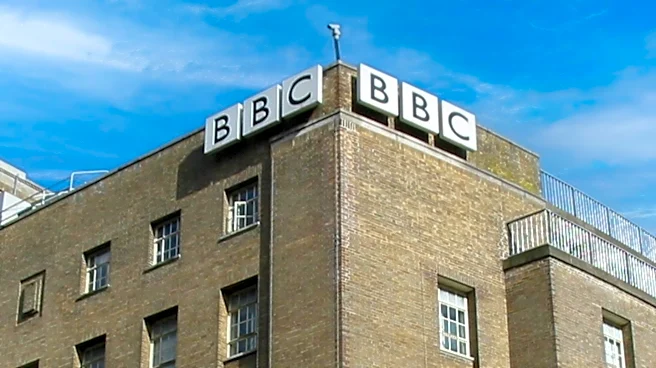
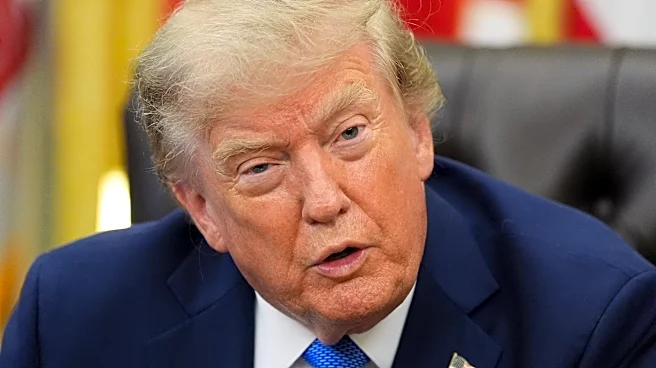
President Donald Trump is attempting to amend his $10 billion defamation lawsuit against the BBC, originally filed in December, to focus on reputational harm rather than financial losses. The lawsuit stems from a 2024 BBC documentary that edited parts
of Trump's speech before the January 6, 2021, Capitol attack. Trump's legal team argues that the BBC's reporting caused significant damage to his reputation and brand. A federal judge has paused an order requiring Trump to disclose financial records while the request to amend the complaint is under consideration. The BBC has apologized for the editing but denies that it constitutes defamation. Trump's legal actions against media companies have been unprecedented, with claims totaling over $70 billion in damages.
Why It's Important?
This development highlights the ongoing tension between President Trump and major media organizations, reflecting broader issues of media accountability and freedom of the press. Trump's lawsuits, which are unprecedented in scale for a U.S. president, underscore his strategy of challenging media narratives that he perceives as damaging. The outcome of these cases could set significant precedents for defamation law and media practices in the U.S. If Trump succeeds in refocusing his lawsuit on reputational harm, it may encourage other public figures to pursue similar legal strategies, potentially impacting how media outlets report on controversial figures and events.
What's Next?
The court's decision on whether to allow the amendment of Trump's lawsuit will be pivotal. If granted, it could lead to a trial focusing on reputational damage, which may require the BBC to defend its editorial decisions in court. This case could influence future legal battles between public figures and media companies, potentially affecting how defamation claims are structured and litigated. Media organizations may need to reassess their reporting practices to mitigate the risk of similar lawsuits, while legal experts and public figures will closely watch the case for its implications on media freedom and accountability.