
What's Happening?
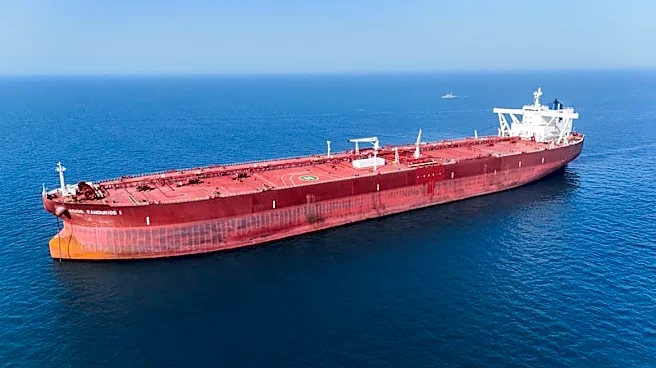
Qatar has issued a warning about the potential for a significant global economic shock due to escalating tensions in the Strait of Hormuz. The conflict has disrupted shipping routes, affecting around a fifth
of the world's energy supplies. Qatar's Finance Minister, Ali bin Ahmed Al Kuwari, highlighted the risk of energy shortages and rising prices if the situation persists. The disruption could lead to a global recession, with impacts on supply chains and key sectors such as healthcare and semiconductors. Qatar itself is experiencing the effects, with damage to its Ras Laffan liquefied natural gas facility, which has reduced its export capacity.
Why It's Important?
The Strait of Hormuz is a critical chokepoint for global energy supplies, and prolonged disruptions could have severe economic consequences worldwide. Rising energy prices and potential shortages could exacerbate inflation and tighten financial conditions, impacting both developed and developing economies. The situation underscores the interconnectedness of global supply chains and the vulnerability of the global economy to geopolitical tensions. Countries reliant on energy imports may face increased costs, affecting industries and consumers alike.
What's Next?
The international community is closely monitoring the situation, with calls for diplomatic efforts to resolve the conflict and ensure the safe passage of ships through the Strait of Hormuz. Qatar is preparing to mitigate the impact on its economy through financial buffers and targeted support for affected sectors. However, the potential for further escalation remains, and the global economic outlook could worsen if tensions are not resolved. Stakeholders will need to consider contingency plans to address potential supply chain disruptions and energy shortages.