










What's Happening?
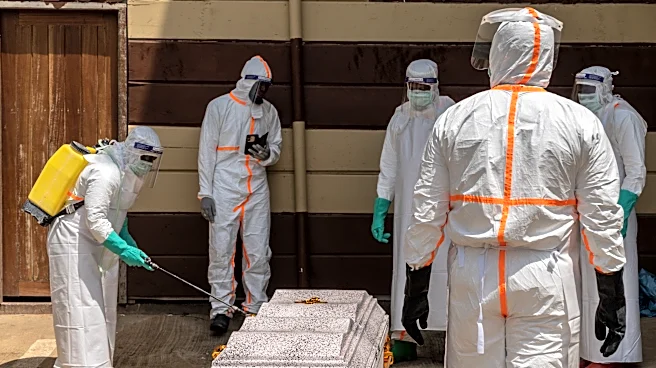
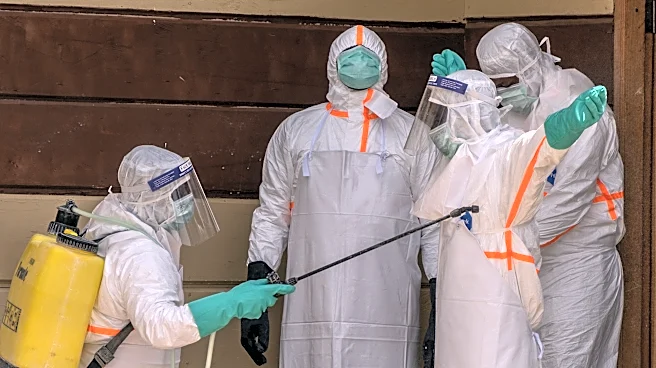
The current Ebola outbreak has highlighted the limitations of existing vaccines, prompting the development of new candidates. According to recent reports, the World Health Organization (WHO) has identified several promising vaccine candidates, including
those based on mRNA technology and the vesicular stomatitis virus (VSV). The mRNA-based vaccine, similar to Moderna's COVID-19 vaccine, offers rapid design and synthesis but faces distribution challenges due to its need for cold storage. Meanwhile, VSV-based vaccines, which have shown strong immune responses in trials, are considered front-runners. However, these vaccines require specialized manufacturing and may take several months to be ready for human testing. The urgency of the situation is compounded by the need for vaccines that are safe for pregnant and immunocompromised individuals.
Why It's Important?
The development of effective vaccines is crucial in controlling the spread of Ebola, a disease with high mortality rates. The current outbreak underscores the need for rapid and adaptable vaccine solutions. The mRNA technology, while promising due to its speed, presents logistical challenges that could hinder global distribution. On the other hand, VSV-based vaccines, though effective, require time-consuming production processes. The success of these vaccines could significantly impact public health strategies and preparedness for future outbreaks. Additionally, the safety of these vaccines for vulnerable populations remains a critical concern, influencing public trust and vaccination uptake.
What's Next?
The next steps involve advancing these vaccine candidates through clinical trials to assess their safety and efficacy. The WHO and other health organizations are likely to prioritize the development and distribution of the most promising vaccines. This process will involve collaboration with pharmaceutical companies and governments to ensure adequate manufacturing capacity and distribution networks. The outcome of these trials will determine the availability of vaccines for the current outbreak and set a precedent for future epidemic responses. Stakeholders will need to address logistical challenges and ensure equitable access to vaccines, particularly in regions most affected by the outbreak.