






What's Happening?
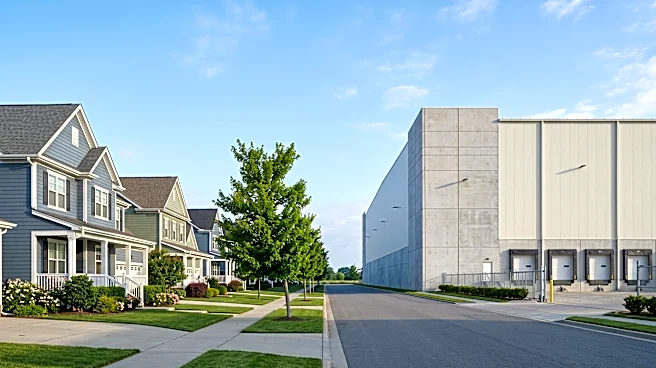
Residents in Nutley, New Jersey, are actively opposing a proposal to construct a 27,000 square-foot warehouse within their neighborhood. The primary concern among the community is the close proximity of the large facility to residential areas. This opposition
has led residents to appeal to local town leaders, urging them to intervene and prevent the development. The proposed warehouse has generated significant community pushback, highlighting concerns over potential impacts on their living environment and quality of life. The situation underscores a growing trend of residential areas confronting industrial development proposals.
Why It's Important?
This situation in Nutley, New Jersey, is important as it reflects a broader national trend where residential communities are increasingly clashing with industrial and logistical development, particularly warehouses. The rise of e-commerce has fueled a demand for more storage and distribution centers, often leading developers to seek land in or near suburban areas. For residents, the construction of large warehouses can bring concerns about increased traffic, noise pollution, air quality degradation from truck emissions, and potential decreases in property values. This conflict highlights the tension between economic development and community well-being, as local governments often weigh the benefits of job creation and tax revenue against the environmental and social costs to their constituents. The outcome in Nutley could set a precedent for how similar disputes are handled in other U.S. towns facing comparable development pressures.
What's Next?
The immediate next step for the Nutley residents is to continue their engagement with town leaders, pressing for intervention against the proposed warehouse. This will likely involve further community meetings, petitions, and possibly formal appeals to local planning or zoning boards. Town leaders will need to consider the residents' concerns alongside the developer's proposals and any potential economic benefits the warehouse might offer. The decision-making process could involve public hearings, environmental impact assessments, and a review of zoning regulations. Depending on the local government's response, residents might escalate their efforts through legal challenges or organized protests. The developer, in turn, may need to revise their plans to address community concerns or seek alternative locations, or they may proceed with the current proposal, potentially leading to a prolonged dispute.
Beyond the Headlines
Beyond the immediate conflict, the Nutley warehouse dispute touches upon deeper issues concerning urban planning, environmental justice, and the balance of power between developers and local communities. The push for more logistical infrastructure, driven by consumer demand for rapid delivery, often disproportionately impacts lower-income communities or those with less political influence, raising questions of environmental justice. This case also highlights the evolving nature of land use in the U.S., where traditional residential and commercial zones are increasingly being challenged by the needs of the modern supply chain. The long-term implications could include a re-evaluation of zoning laws to better protect residential areas from industrial encroachment, or conversely, a normalization of such developments, leading to significant changes in the character of suburban landscapes. It also underscores the importance of community organizing and advocacy in shaping local development policies.