






What's Happening?
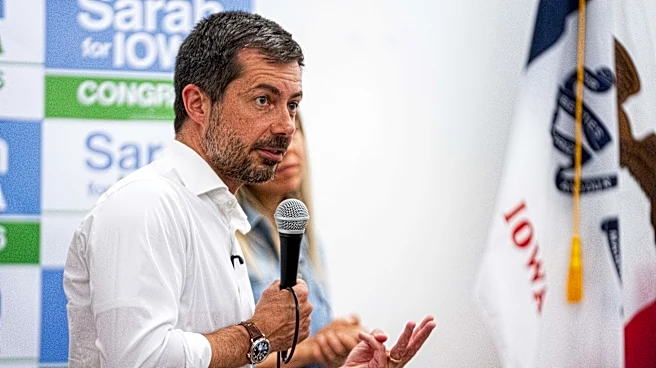
Joe Mitchell, a candidate for political office and former chief of staff at the Federal Housing Finance Agency (FHFA), is facing questions regarding his campaign finances and past legislative actions. Mitchell's campaign has accepted money from Political
Action Committees (PACs) linked to the homebuilding and mortgage industries. While Mitchell distinguishes these as trade association contributions, arguing they do not violate his pledge to reject corporate PAC money, Democrats contend otherwise. Additionally, Mitchell is under scrutiny for an Iowa Starting Line report indicating that companies affiliated with him received approximately $2.5 million through an Iowa housing tax credit program. Mitchell, a real estate developer who claims to have built over 100 homes, voted to expand this program while serving in the Iowa House. He defends his vote by stating the tax credits are awarded through a competitive application process administered by the Iowa Economic Development Authority, not earmarked by lawmakers, and that the credits have aided in building housing in rural Iowa communities.
Why It's Important?
This situation highlights potential conflicts of interest and transparency issues in political campaigns and legislative processes, particularly concerning individuals with backgrounds in regulated industries. Mitchell's past role at the FHFA, which regulates entities like Fannie Mae and Freddie Mac, coupled with his current campaign accepting funds from related industries, raises questions about influence and impartiality. The debate over what constitutes a 'corporate PAC' versus a 'trade association' PAC could set precedents for campaign finance regulations and public perception of political donations. Furthermore, the allegations regarding Mitchell's companies benefiting from a housing tax credit program he supported as a legislator underscore broader concerns about how public office can intersect with private business interests, potentially eroding public trust in government and its officials. The outcome of this scrutiny could influence voter behavior and future campaign finance reform discussions.
What's Next?
Mitchell will likely continue to defend his campaign's funding sources and his legislative record as the election cycle progresses. His opponents are expected to maintain pressure on these issues, using them to challenge his credibility and commitment to his stated principles. The distinction between corporate PACs and trade association PACs may become a more prominent point of contention in political discourse, potentially leading to calls for clearer definitions or stricter regulations on campaign contributions. The Iowa Economic Development Authority's administration of the housing tax credit program may also come under increased scrutiny to ensure its impartiality and transparency. Voters will ultimately decide whether Mitchell's explanations are satisfactory and if these issues impact their support for his candidacy.
Beyond the Headlines
The controversy surrounding Joe Mitchell touches upon the persistent challenge of balancing private sector expertise with public service integrity. Individuals with deep industry knowledge are often sought after for legislative and regulatory roles, but their past and present affiliations can create perceived or actual conflicts of interest. This case could fuel a broader discussion about the 'revolving door' phenomenon, where individuals move between government and industry, and the ethical frameworks needed to manage such transitions. It also brings to light the complexities of housing policy, where tax incentives designed to spur development can inadvertently create opportunities for personal gain. The public's reaction to this story may reflect a growing demand for greater transparency and accountability from elected officials and candidates, pushing for reforms that ensure public policy serves the common good rather than private interests.