







What's Happening?
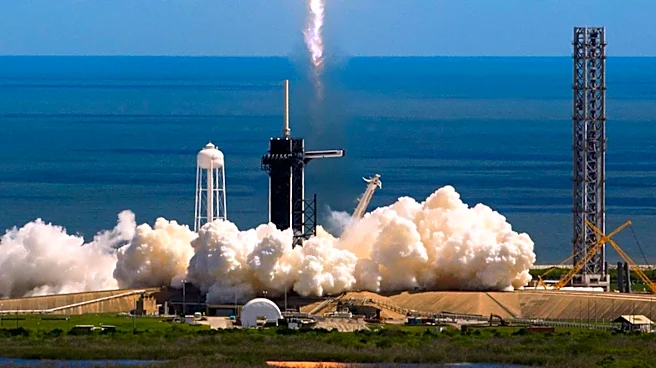
On July 16, 2026, a SpaceX Falcon 9 rocket launched 21 satellites for the Space Development Agency's Tranche 1 Transport Layer, marking the continuation of the Space Force’s low Earth orbit military data network deployment. The Transport Layer is designed
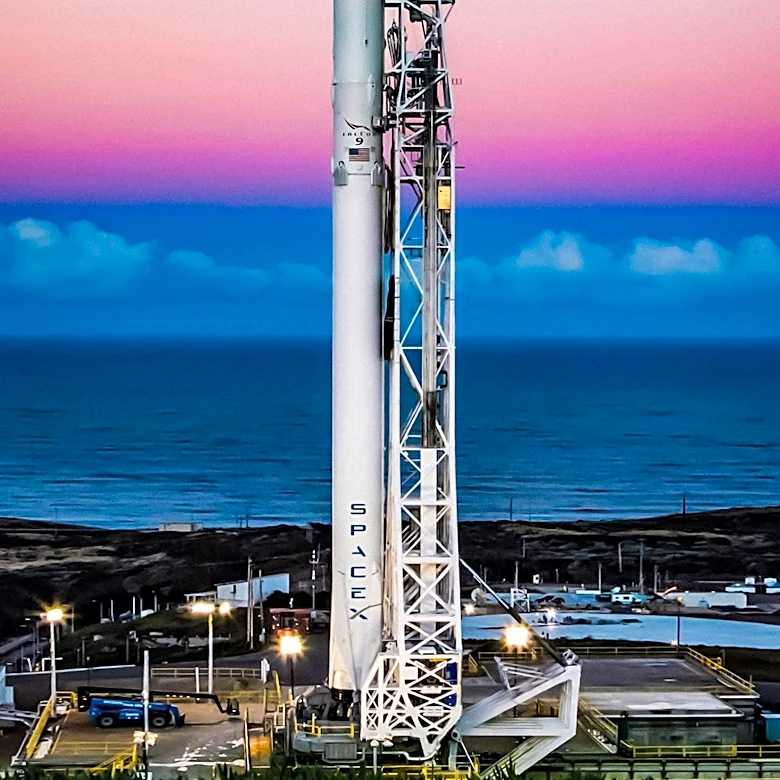
to provide missile tracking and communications for military forces, with the latest launch bringing the total number of Tranche 1 Transport Layer satellites to 63, half of the planned 126-satellite constellation. The mission, designated T1TL-E, lifted off from Vandenberg Space Force Base in California. The satellites, built by York Space Systems, are part of the Proliferated Warfighter Space Architecture, intended to move data across space through optical intersatellite links and deliver it to ground systems, ships, aircraft, and other military users.
Why It's Important?
The deployment of these satellites is crucial for enhancing the U.S. military's communication and missile tracking capabilities. The Transport Layer serves as the backbone of the Space Development Agency's network, which is vital for national security. This network aims to provide real-time data relay and support for military operations, potentially giving the U.S. a strategic advantage in space-based defense systems. The successful launch and deployment of these satellites also demonstrate the growing role of private companies like SpaceX in national defense, highlighting a shift towards more commercial involvement in military space operations.
What's Next?
With half of the planned constellation now in orbit, the Space Development Agency will focus on completing the remaining satellite launches to achieve full operational capability. The agency plans to establish a mesh network that will allow satellites to route data across the constellation, enhancing the system's efficiency and reliability. Future launches will continue to build out this network, with the next steps involving the integration of optical links between orbital planes. This development will be closely monitored by military and defense stakeholders, as it represents a significant advancement in space-based military infrastructure.