








What's Happening?
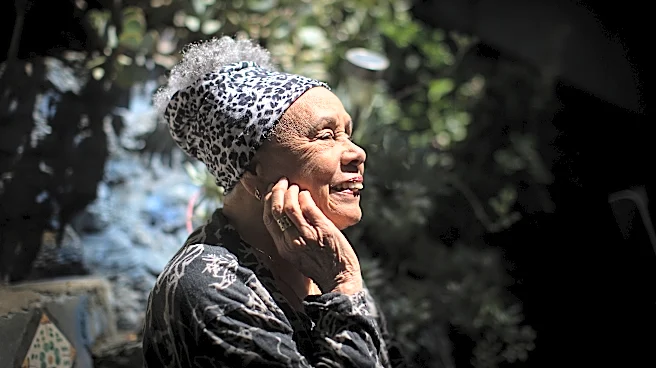
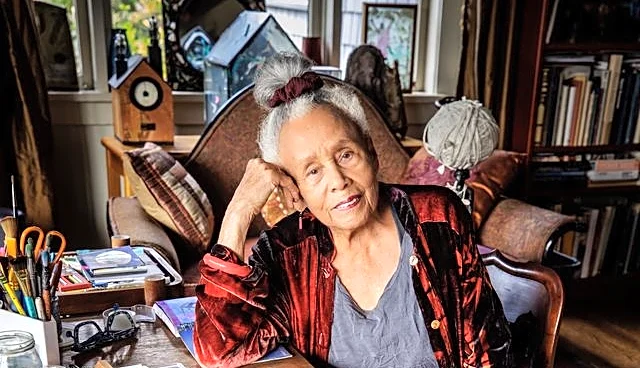
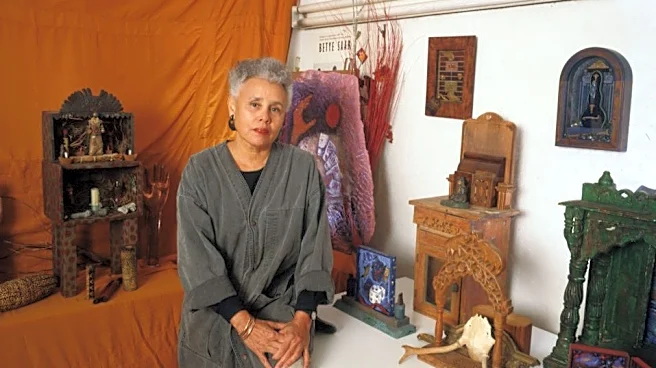
Betye Saar, a pioneering figure in the Black arts movement, has died at the age of 99 in Los Angeles. Known for her assemblage art, Saar reclaimed Jim Crow-era memorabilia, transforming them into powerful symbols of Black liberation. Her work, including
the iconic 'The Liberation of Aunt Jemima,' challenged racist stereotypes and inspired the Black women's movement. Saar's career spanned over seven decades, during which she also explored themes of family, spirituality, and cultural identity through various artistic mediums.
Why It's Important?
Betye Saar's contributions to art and culture have had a profound impact on the representation of Black identity and history. Her work not only challenged societal norms but also provided a platform for dialogue on race and equality. Saar's ability to transform everyday objects into powerful statements of resistance and empowerment has inspired generations of artists and activists. Her legacy continues to influence contemporary discussions on race, art, and social justice, highlighting the enduring power of art as a tool for change.
What's Next?
As the art world reflects on Betye Saar's legacy, there may be renewed interest in her work and its impact on the Black arts movement. Exhibitions and retrospectives could be organized to celebrate her contributions and educate new audiences about her influence. Additionally, Saar's passing may inspire further exploration of assemblage art and its role in cultural and political discourse, encouraging artists to continue using their work as a means of challenging and reshaping societal narratives.
Beyond the Headlines
Betye Saar's work underscores the importance of preserving cultural heritage and history through art. Her assemblages serve as a reminder of the power of art to reclaim and reinterpret historical narratives, offering new perspectives on identity and resistance. Saar's approach to art as a form of activism highlights the intersection of creativity and social justice, encouraging future generations to use their artistic voices to advocate for change and representation.