
What's Happening?
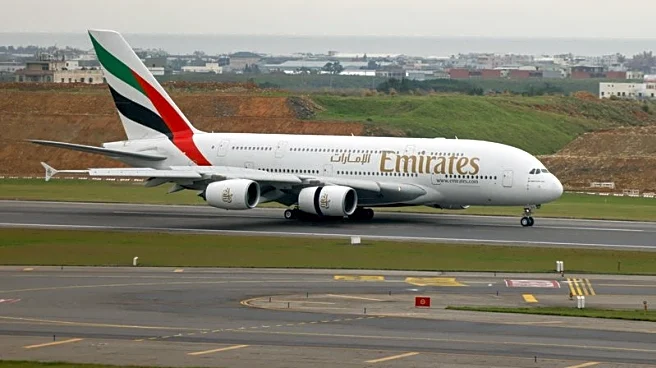
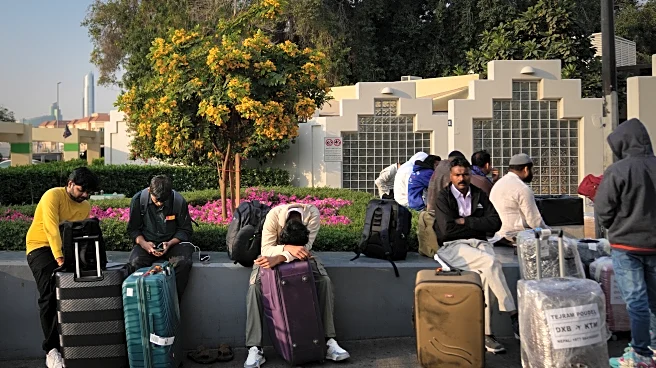
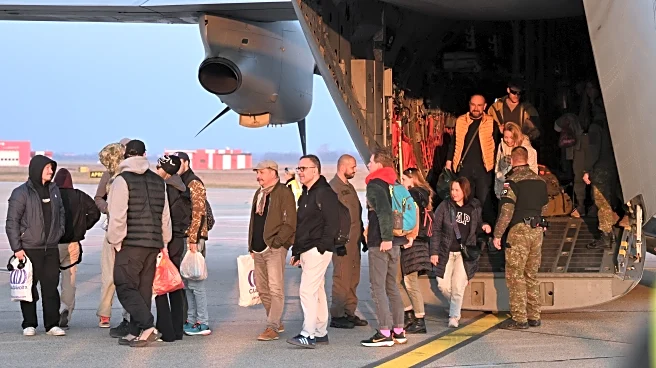
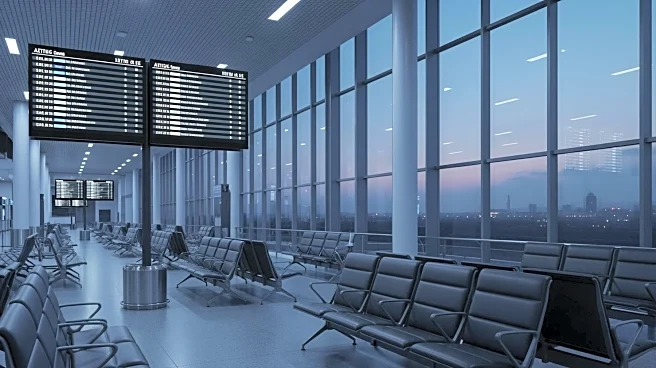
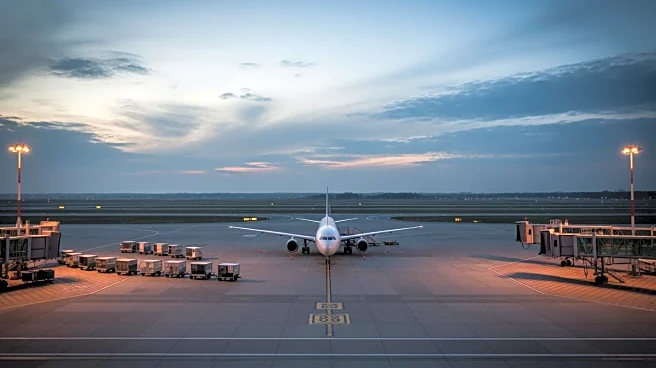
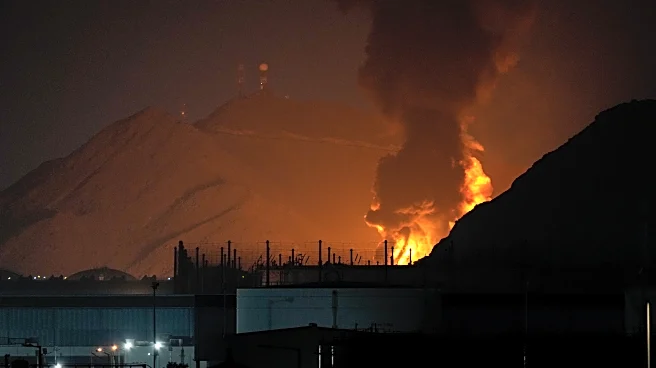
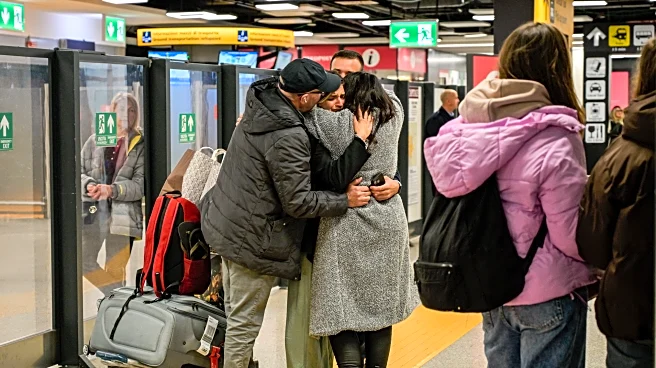
Amid escalating conflict in the Middle East, many U.S. tourists and travelers have found themselves stranded due to widespread flight cancellations and airspace closures. The conflict, involving the U.S. and Israel against Iran, has led to significant
disruptions in air travel, particularly affecting major hubs in the Gulf states. Travelers, including tourists and business professionals, are facing challenges in securing flights back home. Some have shared their experiences of being stuck in places like Dubai, where local initiatives have offered temporary accommodations to those affected. The situation remains fluid as travelers await confirmation of rescheduled flights.
Why It's Important?
The disruption in air travel due to the conflict in the Middle East highlights the vulnerability of global travel networks to geopolitical tensions. For U.S. travelers, this situation underscores the importance of having contingency plans when traveling to regions with potential for conflict. The economic impact is also significant, affecting airlines, tourism, and related industries. The situation may prompt a reevaluation of travel advisories and insurance policies for travelers heading to volatile regions. Additionally, the incident reflects broader geopolitical dynamics and the potential for escalation affecting international relations and security.
What's Next?
As the conflict continues, travelers are likely to face ongoing uncertainty regarding flight schedules. Airlines and governments may need to coordinate closely to facilitate the safe return of stranded passengers. The situation could lead to increased diplomatic efforts to de-escalate tensions and restore normalcy in air travel. Travelers may also see changes in travel advisories and insurance offerings as a result of this incident. The response from airlines and governments will be crucial in managing the immediate crisis and preventing similar disruptions in the future.