







What's Happening?
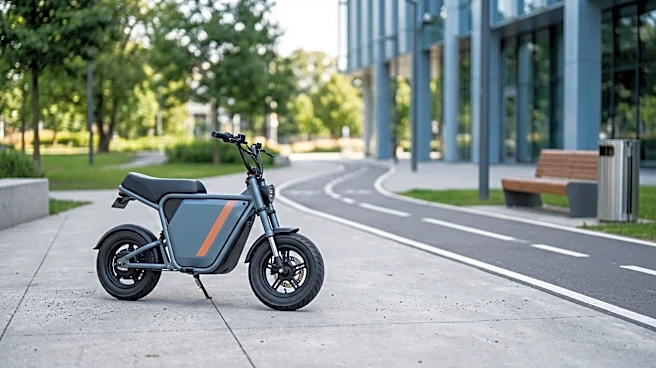
Austin city leaders are intensifying their efforts to educate the public and enforce regulations concerning electronic motorcycles and mini-bikes, commonly known as e-motos. This initiative comes in response to growing safety and regulatory concerns as these
devices gain popularity. The Austin City Council unanimously passed a resolution earlier this spring, calling for a review of local e-moto rules and an increase in public education. In line with this, the Austin Police Department has produced a video and is developing additional materials for an informational campaign, which will include a public-facing website. Police officers are also receiving new training bulletins to help educate residents before resorting to enforcement. The city is collaborating with entities like Austin ISD to broaden the reach of this campaign. Council member Paige Ellis highlighted that many high-powered e-motos are being ridden by unlicensed children without helmets, often unaware of the rules, and their parents may also be uninformed about safety regulations. Assistant City Manager Mike Rogers emphasized that the goal is not to discourage new forms of mobility but to ensure responsible integration into the community, supporting a safe, connected, and accessible transportation ecosystem.
Why It's Important?
The increased focus on e-moto education and enforcement in Austin is important for several reasons, primarily public safety and regulatory clarity. The proliferation of e-motos, particularly higher-powered models that are not street legal, poses significant risks to riders and other road users. The difficulty in distinguishing between various types of electric mobility devices—such as e-bikes, mopeds, and e-motos—each with different regulations, creates confusion and enforcement challenges. This initiative aims to mitigate accidents and injuries by ensuring that users, especially minors, understand the legal requirements for operating these vehicles, including licensing, registration, and helmet use. The city's proactive approach, prioritizing education over immediate citations for less dangerous situations, seeks to foster compliance and responsible usage. This could set a precedent for other U.S. cities grappling with similar issues arising from the rapid adoption of new personal mobility technologies, influencing how urban areas manage the integration of such devices into their existing transportation infrastructure and legal frameworks.
What's Next?
Austin's efforts will continue with the rollout of the informational campaign, including the public-facing website and further distribution of educational materials. Austin Police will proceed with their education-first approach, issuing warnings before citations for less dangerous e-moto infractions. The city will also continue its coordination with Austin ISD to reach a wider audience, particularly younger riders and their parents. Future steps may involve gathering more comprehensive data on e-moto citations and incidents, potentially through collaboration with Austin Public Health and local hospitals, to better assess the campaign's effectiveness and inform future policy adjustments. Council member Ellis noted that Austin often serves as a 'guinea pig' for mobility advancements, suggesting that the city may face ongoing challenges in establishing its own rules given state authority over transportation topics. This implies that while local education and enforcement will continue, broader regulatory changes might require state-level action or clarification.
Beyond the Headlines
Beyond the immediate safety concerns, Austin's response to e-motos highlights a broader societal challenge: the rapid evolution of personal transportation technology outpacing existing regulatory frameworks. The struggle to classify and regulate devices that blur the lines between bicycles, motorcycles, and other vehicles underscores the need for adaptable and forward-thinking legislation. This situation also brings to light the ethical considerations of allowing powerful, potentially dangerous vehicles to be operated by individuals, particularly minors, who may lack the necessary training, licensing, or awareness of road safety. The city's emphasis on education reflects a recognition that punitive measures alone may not be sufficient for new technologies, and that fostering a culture of responsible use is crucial. This ongoing dialogue between innovation and regulation will likely shape future urban planning, public safety initiatives, and even educational curricula as new forms of mobility continue to emerge and integrate into daily life across the U.S.