
What's Happening?
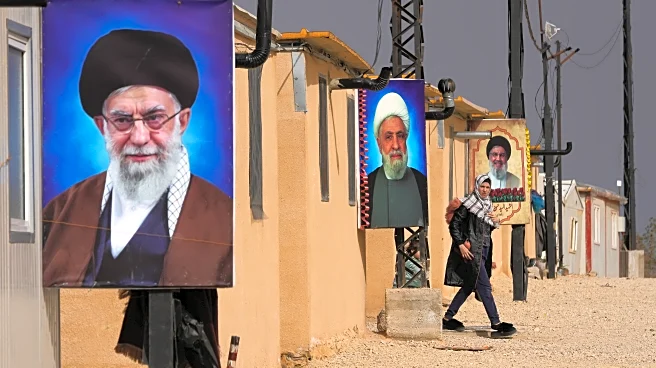
Lebanese Prime Minister Nawaf Salam has outlined a comprehensive agenda for 2026, focusing on state rebuilding through reforms and elections. A significant aspect of his plan includes urging Hezbollah
to hand over its weapons to the government. Salam emphasized that there is no intention to dispose of these weapons in a manner that would benefit Israel, countering prevalent rumors. This call for disarmament is part of a broader effort to stabilize Lebanon, which has been grappling with political and security challenges. The Prime Minister's agenda aims to address these issues by strengthening state institutions and promoting sovereignty.
Why It's Important?
The disarmament of Hezbollah is a critical issue in Lebanon, as the group holds significant military power independent of the state. This move by Prime Minister Salam could potentially shift the balance of power within the country, impacting both domestic politics and regional dynamics. If successful, it could lead to a more centralized and stable government, which is crucial for Lebanon's economic recovery and international relations. However, the proposal may face resistance from Hezbollah and its supporters, who view their armament as essential for defense against external threats.
What's Next?
The next steps involve navigating the political landscape to garner support for the disarmament initiative. This will likely involve negotiations with Hezbollah and other political factions within Lebanon. The international community, particularly countries with vested interests in Lebanon's stability, may also play a role in facilitating dialogue and providing support for the reform agenda. The outcome of these efforts will be pivotal in determining Lebanon's future political and economic trajectory.