







What's Happening?
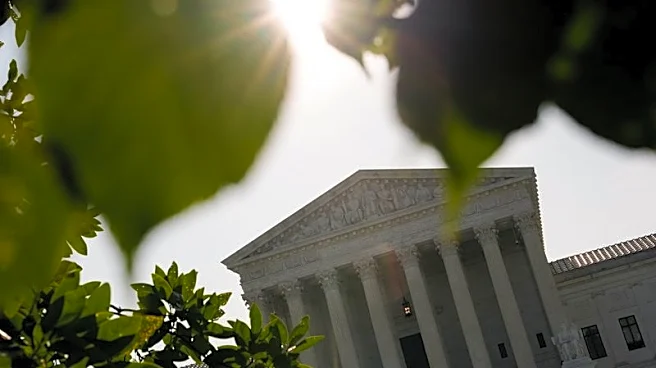
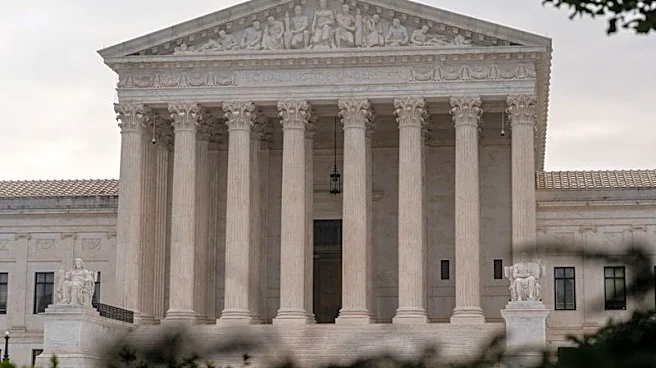
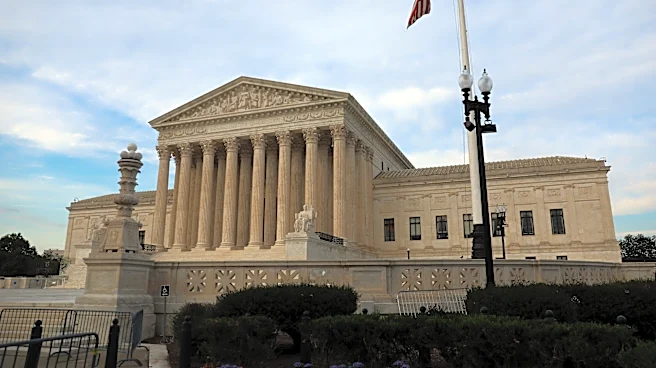
The U.S. Supreme Court has declined to hear an appeal from attorney Richard Trahant, who was fined $400,000 for allegedly violating a protective order in a case involving a Roman Catholic priest accused of sexual misconduct. Trahant had taken steps to remove
the priest, Paul Hart, from his position as a high school chaplain after learning of Hart's past misconduct. The Supreme Court's decision effectively upholds the lower court's ruling, which found Trahant in violation of the protective order during the New Orleans archdiocese's bankruptcy proceedings.
Why It's Important?
This case underscores the ongoing challenges in addressing clergy abuse within the Catholic Church and the legal complexities involved in protecting victims' rights. The Supreme Court's refusal to hear the appeal highlights the limitations of legal recourse for those seeking to expose and address abuse. The decision may have a chilling effect on attorneys and advocates working to protect vulnerable individuals, as it emphasizes the potential consequences of breaching legal protocols, even in pursuit of justice.
What's Next?
The ruling may prompt further scrutiny of the Catholic Church's handling of abuse cases and the legal mechanisms in place to protect victims. It could lead to calls for reform in how protective orders are enforced and the balance between confidentiality and transparency in legal proceedings. Additionally, the case may influence future legal strategies for attorneys representing abuse survivors, as they navigate the complexities of confidentiality and advocacy.
Beyond the Headlines
The case raises ethical questions about the responsibilities of legal professionals in protecting vulnerable populations while adhering to court orders. It also highlights the broader societal implications of clergy abuse scandals and the need for systemic changes within religious institutions to prevent future misconduct. The decision may contribute to ongoing debates about the role of the judiciary in safeguarding public interest and the rights of abuse survivors.