







What's Happening?
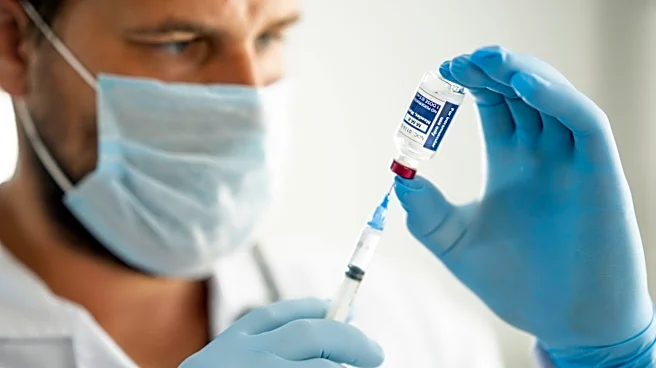
The U.S. Food and Drug Administration (FDA) has confirmed that rabies vaccines available in the United States are not mRNA-based. Unlike some COVID-19 vaccines, rabies vaccines utilize traditional inactivated virus technology. The two FDA-licensed human
rabies vaccines in the U.S. are Imovax and RabAvert. Imovax is a human diploid cell vaccine (HDCV), while RabAvert is a purified chick embryo cell vaccine. Both are approved for pre-exposure prophylaxis (prevention) and post-exposure prophylaxis (treatment after exposure). The FDA emphasizes that its approval process for vaccines involves rigorous evaluation of safety, purity, and effectiveness, ensuring that benefits outweigh potential risks. The agency provides detailed vaccine inserts to guide healthcare providers on dosage, side effects, and administration, though clinical judgment is also crucial for individual patient care.
Why It's Important?
This clarification is important for public understanding and trust in vaccine technology, especially given the emergence of mRNA vaccines for other diseases. Rabies is a nearly always fatal neurological infection once symptoms appear, making timely and effective vaccination critical. The distinction between traditional inactivated virus technology and mRNA technology in rabies vaccines helps address potential public concerns or misinformation regarding vaccine platforms. Ensuring access to and confidence in these FDA-approved, non-mRNA rabies vaccines is vital for public health, particularly for individuals at high risk of exposure, such as laboratory workers, veterinarians, and travelers to endemic areas. The FDA's stringent approval process for Imovax and RabAvert underscores the commitment to providing safe and effective tools for preventing a deadly disease, thereby protecting both human and animal populations in the U.S.
What's Next?
Individuals at high risk of rabies exposure, such as certain professionals and travelers, should continue to follow recommended pre-exposure vaccination schedules. In the event of a potential rabies exposure, immediate medical attention is crucial. Healthcare providers will assess the situation, considering factors like wound severity and animal species, to determine the appropriate post-exposure prophylaxis, which typically involves a combination of Rabies Immune Globulin (RIG) and a series of vaccine doses for unvaccinated individuals, or booster doses for those previously vaccinated. The FDA will continue to monitor the safety and efficacy of licensed vaccines and update information as needed. Public health campaigns may also continue to educate the public on the importance of rabies vaccination and the differences in vaccine technologies.
Beyond the Headlines
The ongoing discussion about vaccine technologies, particularly mRNA versus traditional methods, highlights a broader societal need for clear, accurate scientific communication. The FDA's role in transparently outlining the characteristics of approved vaccines is crucial for maintaining public confidence in medical interventions. This distinction also implicitly addresses the ethical considerations some individuals may have regarding specific vaccine production methods, such as the use of fetal cell lines, by clarifying that U.S. rabies vaccines do not employ mRNA technology. The emphasis on traditional inactivated virus technology for rabies vaccines reinforces the long-standing and proven efficacy of these methods, contributing to a more informed public discourse on vaccine science and public health strategies.