


What's Happening?
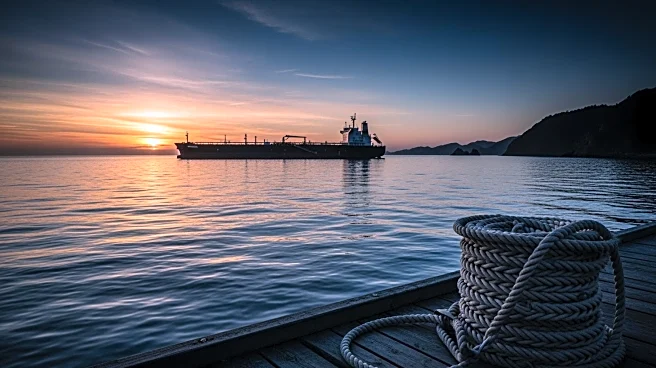
The United States has intercepted a third oil tanker in international waters near Venezuela, as part of a broader strategy to enforce a blockade on Venezuelan oil exports. This action follows an order from President Trump, who has accused Venezuela of using
oil revenues to fund drug trafficking and criminal activities. The U.S. military has significantly increased its presence in the Caribbean and South American waters, deploying an aircraft carrier, fighter jets, and tens of thousands of troops. This military buildup aims to enhance counter-narcotics operations and improve the enforcement of sanctions against Venezuela.
Why It's Important?
The interception of oil tankers is a critical component of the U.S. strategy to curb illegal activities allegedly funded by Venezuelan oil sales. By intensifying military operations in the region, the U.S. seeks to disrupt the financial networks of transnational criminal organizations. This move could have significant implications for U.S.-Venezuela relations, potentially escalating tensions between the two countries. Additionally, the increased military presence underscores the U.S. commitment to combating drug trafficking in the Western Hemisphere, which could influence regional security dynamics and international diplomatic relations.
What's Next?
The U.S. is likely to continue its military operations in the Caribbean and South American waters, focusing on intercepting more vessels suspected of violating sanctions. This could lead to further diplomatic confrontations with Venezuela and its allies. The international community may respond with varying degrees of support or criticism, depending on their stance on U.S. foreign policy and sanctions. The situation may also prompt discussions within international forums about the legality and impact of such unilateral actions.