






What's Happening?
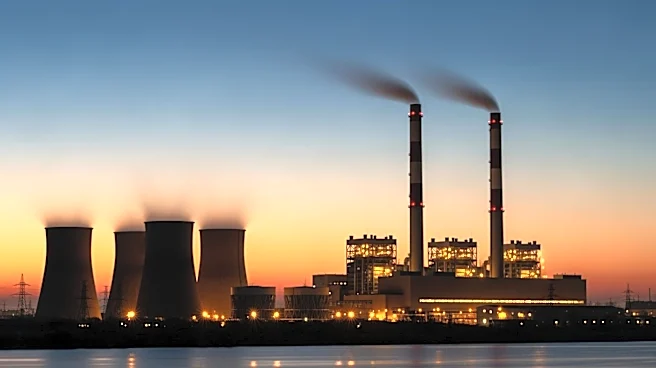
The U.S. Department of Energy (DOE) has issued a 90-day emergency order to the Orlando Utilities Commission (OUC) to keep its 465-MW coal-fired Stanton Unit 1 operational. This decision, made on June 4, 2026, under Section 202(c) of the Federal Power
Act, aims to address an ongoing energy emergency in Florida. The state is experiencing rising electricity demand and potential shortages that could lead to power outages affecting homes and businesses. OUC, serving approximately 288,000 electric and water customers in the Orlando area, will comply with the order and delay the planned cold shutdown of the unit. The utility is required to file tariff revisions with the Federal Energy Regulatory Commission (FERC) to recover any additional costs incurred. This action is part of a series of similar DOE interventions affecting coal-fired plants across the nation.
Why It's Important?
The DOE's decision underscores the critical role coal still plays in Florida's energy mix, despite its declining share. While coal accounts for only 4% of the state's electricity generation, it provides essential load balancing for the grid. The order prioritizes short-term reliability, reducing the risk of blackouts during peak demand or extreme weather. For consumers, this means a lower likelihood of power outages, although it may result in modest cost increases spread across ratepayers. For investors, the decision signals federal support for maintaining dispatchable generation, which is crucial amid surging demand from sectors like AI data centers and manufacturing. This aligns with broader policy support that bolsters coal asset values and delays retirements.
What's Next?
OUC will need to navigate the financial implications of the DOE's order, including filing for cost recovery through FERC-approved tariffs. The utility is also balancing its long-term decarbonization goals with immediate grid needs. The federal intervention may prompt further discussions on the future of coal in Florida's energy strategy, especially as the state continues to expand its reliance on natural gas and renewables. Stakeholders, including environmental groups and policymakers, may react to this decision, potentially influencing future energy policies and investments.
Beyond the Headlines
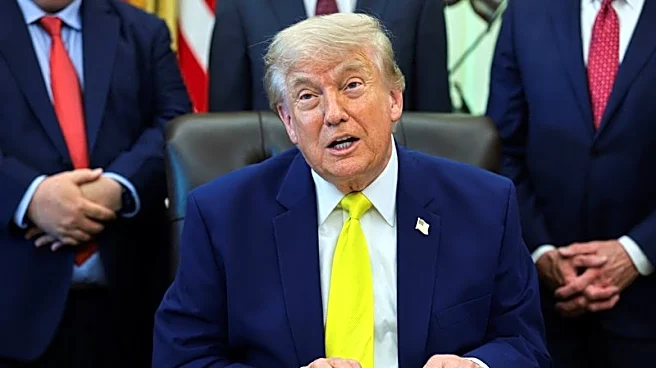
This development highlights the ongoing tension between immediate energy reliability and long-term sustainability goals. The DOE's order reflects a broader national trend of prioritizing grid resiliency, especially in light of increasing demand from emerging technologies and industries. The decision also ties into President Trump's initiatives to strengthen the coal industry and electric grid reliability, emphasizing the use of all available resources for baseload power. This approach may have long-term implications for energy policy, environmental regulations, and the transition to cleaner energy sources.