

What's Happening?
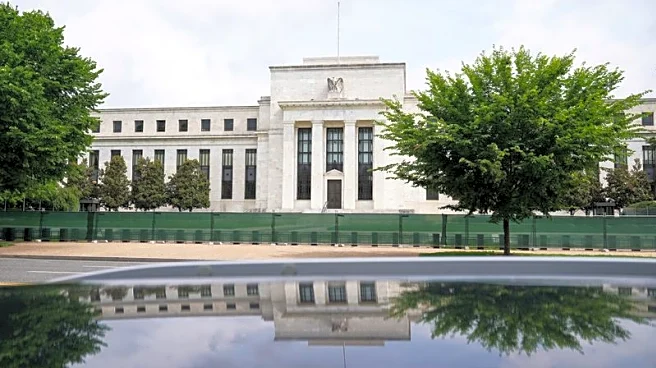
A federal judge has halted the Justice Department's criminal investigation into the Federal Reserve, ruling that the subpoenas issued were politically motivated. Judge James Boasberg quashed the subpoenas, which were ostensibly seeking information about
cost overruns on the renovation of the Fed's headquarters. The judge agreed with Fed Chair Jerome Powell's assertion that the subpoenas were a pretext to pressure him into lowering interest rates. The ruling highlights the Trump administration's attempts to influence the Fed's monetary policy decisions. The decision was praised by Sen. Thom Tillis, who criticized the investigation as a failed attack on the Fed's independence. The Justice Department, however, plans to appeal the ruling.
Why It's Important?
This ruling underscores the ongoing tension between the Federal Reserve and the Trump administration, highlighting concerns about political interference in monetary policy. The decision is significant as it reaffirms the independence of the Federal Reserve, a cornerstone of U.S. economic stability. The outcome of this case could have implications for future interactions between the executive branch and independent agencies. The ruling also reflects broader concerns about the use of political power to influence economic policy, which could affect investor confidence and market stability.
What's Next?
The Justice Department's decision to appeal the ruling suggests that the legal battle over the Fed's independence is far from over. The appeal process could delay the confirmation of a new Fed Chair, as Sen. Thom Tillis has indicated he will block any vote on President Trump's nominee until the investigation is resolved. This ongoing legal conflict may continue to draw public and political attention, potentially impacting the Fed's ability to operate without external pressures.