






What's Happening?
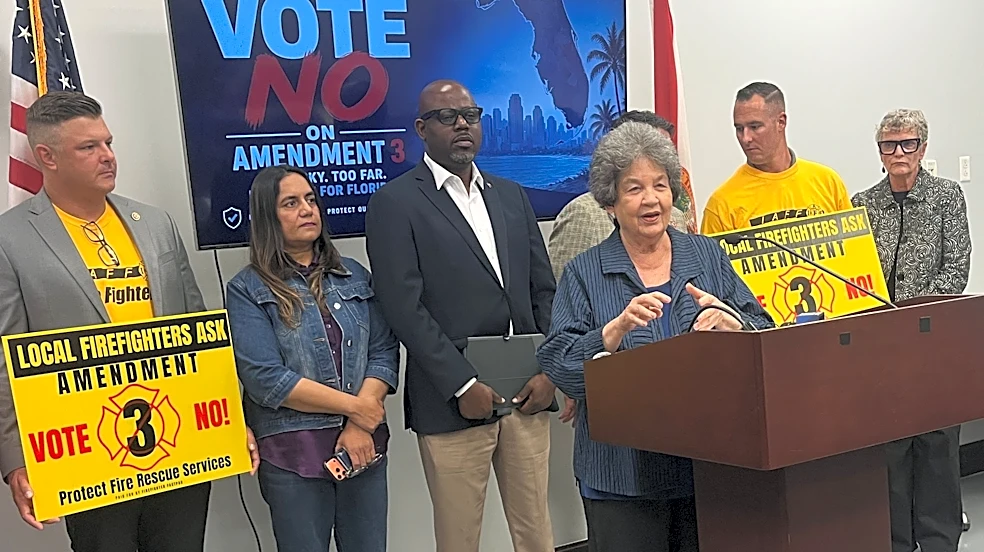
U.S. Rep. Lois Frankel, a West Palm Beach Democrat, recently organized a meeting in West Palm Beach with Palm Beach County officials and housing advocates to address the significant increase in homeowners association (HOA) fees and condo assessments in South
Florida. The discussions primarily focused on the financial burden these rising costs place on seniors and residents with fixed or limited incomes. These increased expenses are largely attributed to Florida's post-Surfside reforms, which mandate stricter structural inspection standards and reserve-fund requirements aimed at enhancing building safety. While these regulations are designed to prevent future tragedies, they are simultaneously creating substantial new costs for condo owners, potentially forcing some long-term residents out of their homes. Concerns were also raised regarding transparency issues from condo boards regarding the necessity and breakdown of these charges.
Why It's Important?
The surge in condo fees and assessments in South Florida carries significant implications for the region's housing market and its senior population. Many seniors, who purchased their homes years ago with expectations of manageable monthly expenses, are now facing financial instability, risking displacement from their long-held residences. This situation highlights a critical tension between ensuring building safety through necessary reforms and maintaining housing affordability for vulnerable populations. The issue also points to broader economic challenges, as these increased costs add to already high housing expenses like insurance and property taxes, making condo ownership less secure. The potential displacement of seniors could lead to increased demand for affordable housing solutions and place additional strain on social services in the region.
What's Next?
The West Palm Beach discussion initiated by U.S. Rep. Lois Frankel explored several potential solutions to mitigate the impact of rising condo fees. One key proposal involves providing more direct financial assistance to seniors to help them cover increased dues and assessments, thereby preventing displacement. Palm Beach County Commissioner Joel Flores emphasized that helping older residents remain in their homes should be a central objective. Other ideas that emerged include implementing stronger state oversight of HOAs to ensure transparency and accountability, and potentially setting limits on legal fees charged to condo owners. These proposals aim to address both the clarity of financial demands from condo boards and the additional financial pressure exerted by attorney costs on household budgets. State Senator Mack Bernard underscored the complexity of the situation, balancing the need to prevent future disasters like Surfside with the imperative to create and maintain affordable housing options.
Beyond the Headlines
The escalating condo fees in South Florida reveal a deeper societal challenge at the intersection of safety regulations, economic realities, and the well-being of an aging population. While the post-Surfside reforms are crucial for preventing future building collapses and ensuring resident safety, their financial repercussions expose a gap in policy that disproportionately affects those on fixed incomes. This situation raises ethical questions about the responsibility of the state to protect both the physical safety and the housing security of its citizens. It also highlights potential long-term shifts in the demographics of condo ownership, as properties become less accessible to seniors and those with limited financial resources. The debate may also spur broader discussions on how to fund essential infrastructure and safety improvements without placing an undue burden on individual homeowners, potentially leading to innovative financing models or increased public subsidies for housing stability.