








What's Happening?
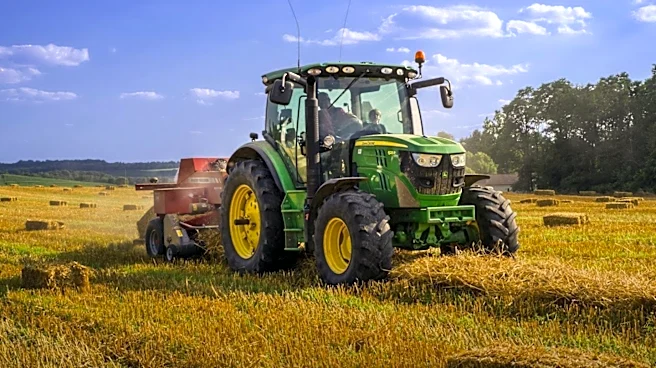
The John Deere Foundation has pledged $18.5 million over several years to support food banks and enhance the distribution of local farm produce to families experiencing hunger across the United States. This 'farm-to-plate' initiative includes $17 million allocated
to Feeding America partner food banks and an additional $1.5 million for The Farmlink Project, an organization dedicated to rescuing surplus produce from farms to prevent waste. A significant portion of this commitment, over $13 million, is specifically earmarked for food security efforts within Iowa, a state home to many John Deere employees and strong agricultural networks. Of the Iowa-specific funds, $2.8 million will be distributed to the Food Bank of Iowa, River Bend Food Bank, and Northeast Iowa Food Bank to facilitate direct purchases from local farms over a three-year period. This funding aims to expand the number of farms these food banks source from, potentially increasing from around 20 to over 100.
Why It's Important?
This substantial donation from the John Deere Foundation addresses a critical and growing issue of food insecurity in the U.S., particularly in agricultural states like Iowa. By focusing on local sourcing, the initiative not only provides fresh, nutritious food to those in need but also supports local farmers by creating new market opportunities. This 'farm-to-plate' model strengthens regional food systems, making them more resilient and sustainable. The emphasis on purchasing protein, dairy, and produce directly from farms helps ensure that food banks can offer a wider variety of essential and often expensive items to families. This is especially crucial given the recent increase in food insecurity across all counties, coupled with high food and fuel prices and a decline in federal support programs like the Supplemental Nutrition Assistance Program (SNAP), which saw a significant drop in Iowa enrollment following recent legislative changes. The partnership between a major corporation and food banks highlights a growing trend of private sector involvement in addressing social welfare issues.
What's Next?
The allocated funds will enable the Food Bank of Iowa, River Bend Food Bank, and Northeast Iowa Food Bank to significantly scale up their direct purchases from local farms, aiming to expand their network of suppliers. This will likely lead to an increase in the availability of fresh, locally sourced produce, dairy, and protein for families facing hunger in Iowa. The initiative is also expected to include volunteer meal packing events involving John Deere employees, further integrating the company's community engagement efforts. The success of this program could serve as a model for other corporations and regions looking to address food insecurity through local agricultural partnerships. Food banks will continue to monitor the impact of declining federal support and rising costs, advocating for sustained and increased funding from both private and public sectors to meet the growing demand for food assistance. The long-term goal is to build more robust and equitable food systems that benefit both consumers and producers.
Beyond the Headlines
The John Deere Foundation's initiative goes beyond simply providing food; it represents a strategic investment in the resilience and sustainability of local food systems. By fostering direct relationships between food banks and local farms, the program helps to shorten supply chains, reduce food waste, and ensure that communities have access to fresh, high-quality produce. This approach also addresses the economic viability of small and medium-sized farms, offering them a stable market for their products and contributing to rural economic development. The initiative implicitly highlights the vulnerabilities of the current food system, particularly its reliance on long supply chains and the impact of economic fluctuations on both producers and consumers. It also underscores the increasing role of corporate philanthropy in filling gaps left by reduced government social safety nets, prompting broader discussions about the shared responsibility of addressing societal challenges like food insecurity. The focus on culturally specific produce also acknowledges and respects the diverse dietary needs of communities.