







What's Happening?
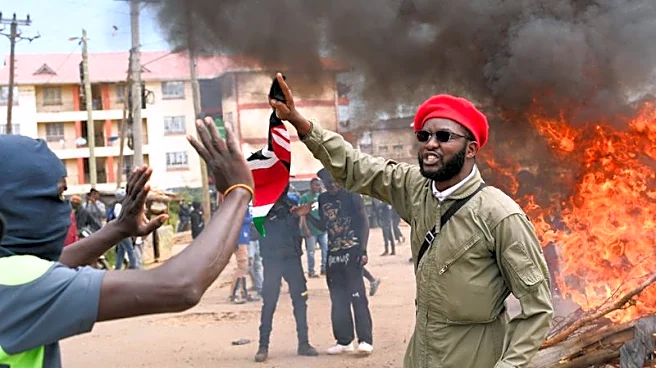
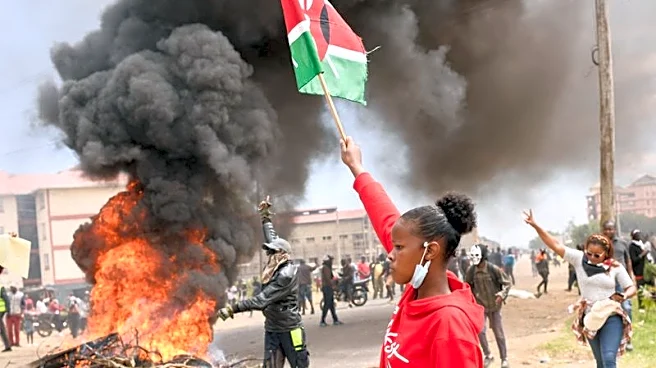
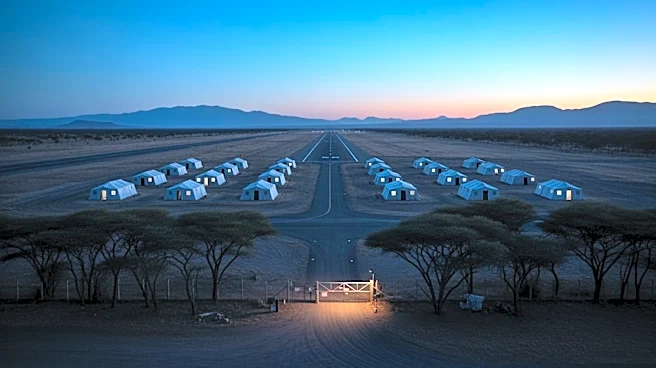
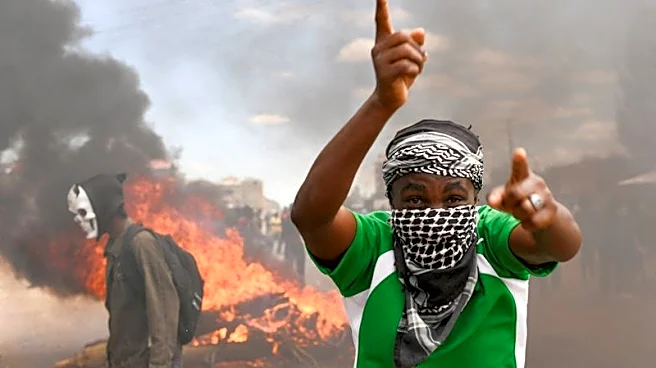
Residents of Nanyuki, Kenya, have protested against a U.S. military plan to establish a field hospital at Laikipia Air Base to treat and quarantine Americans exposed to or infected with Ebola. The facility, intended to be staffed by U.S. Public Health
Service officers, faced opposition from locals who fear the potential spread of the disease. A Kenyan court has temporarily blocked the hospital's operation following a lawsuit by the Katiba Institute, a constitutional rights group. The court's decision is pending a fuller hearing. Protesters expressed concerns about the safety and implications of hosting such a facility, questioning the U.S.'s motives and the potential risks to local health.
Why It's Important?
The protest highlights the tension between local communities and international health initiatives, especially when perceived as prioritizing foreign interests over local safety. The situation underscores the challenges in global health diplomacy, where the U.S. aims to manage Ebola risks while facing resistance from host countries. This development could affect U.S.-Kenya relations and influence future international health collaborations. The protest also reflects broader concerns about the equitable distribution of health resources and the ethical implications of using foreign lands for health interventions primarily benefiting non-residents.
What's Next?
The Kenyan court's upcoming decision will determine the future of the U.S. field hospital. If the court rules against the facility, the U.S. may need to reconsider its strategy for managing Ebola exposure among its citizens abroad. The outcome could prompt diplomatic discussions between the U.S. and Kenya to address local concerns and find a mutually acceptable solution. Additionally, the case may set a precedent for how similar international health initiatives are received and managed in other countries.