
What's Happening?
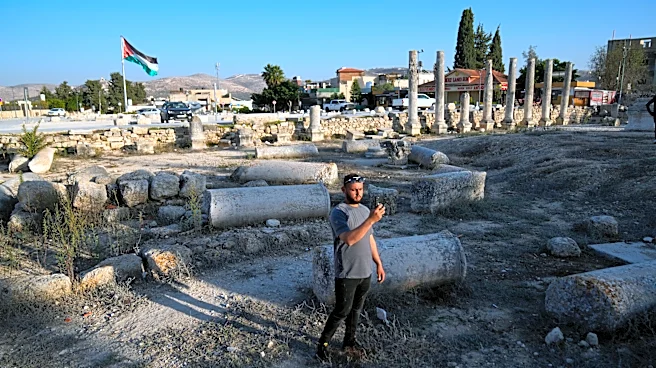
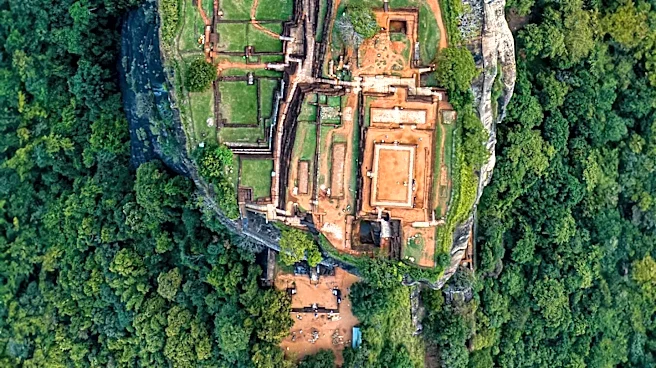
UNESCO has added the ancient Greek city of Tauric Chersonese, located in Russian-occupied Crimea, to its list of World Heritage in Danger. This decision was made during the 48th Session of the World Heritage Committee
in Busan, South Korea. Tauric Chersonese, a 5th century BC site, was originally inscribed as a Ukrainian site in 2013, prior to Russia's annexation of Crimea in 2014. The Ukrainian culture minister, Tetyana Berezhna, highlighted the threats to the site due to illegal excavations and construction under Russian occupation. The site is currently managed by Tikhon Shevkunov, a Russian Orthodox cleric appointed by President Vladimir Putin. Ukraine has been actively opposing Russian archaeological activities in Crimea and has sought international intervention to protect its cultural heritage.
Why It's Important?
The designation of Tauric Chersonese as a World Heritage site in danger underscores the ongoing cultural and political tensions between Ukraine and Russia. This move by UNESCO highlights the international community's recognition of the threats posed by the Russian occupation to Ukrainian cultural sites. The decision also reflects broader geopolitical conflicts, as cultural heritage becomes a focal point in the struggle for territorial and historical legitimacy. The protection of such sites is crucial for preserving cultural identity and history, particularly for the Crimean Tatars, who have faced historical displacement. The situation also raises questions about the effectiveness of international conventions in protecting heritage sites during conflicts.
What's Next?
The UNESCO decision may prompt further international scrutiny and diplomatic efforts to safeguard cultural heritage in conflict zones. Ukraine is likely to continue its advocacy for international support to protect its sites, while Russia may resist such interventions, citing sovereignty. The situation could lead to increased tensions in international forums, as both countries seek to assert their narratives. Additionally, UNESCO may need to explore new mechanisms to enforce protections in occupied territories, potentially leading to revisions in international heritage protection frameworks.