





What's Happening?
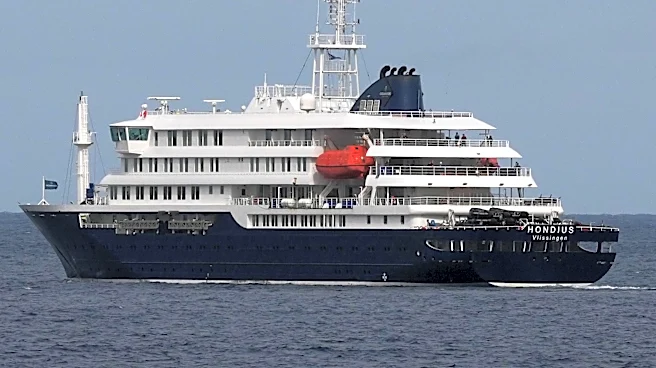
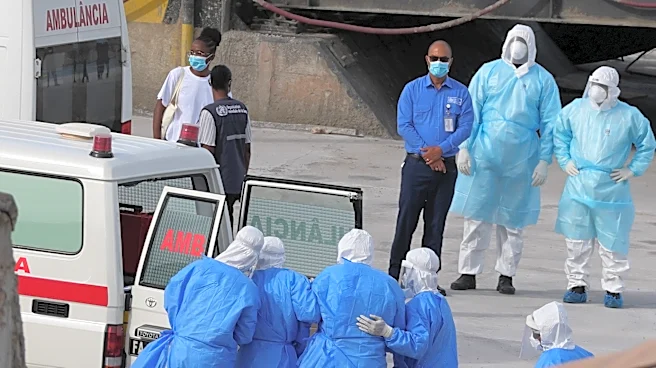
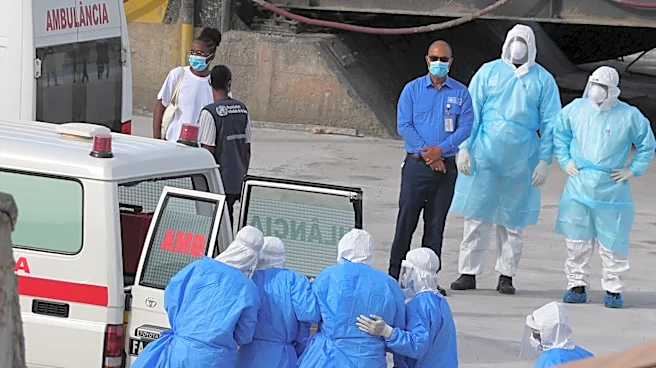
The hantavirus outbreak linked to the MV Hondius cruise ship has expanded, with new suspected cases reported in Spain and Tristan da Cunha. The outbreak, which began on the ship's voyage through South America, has resulted in three deaths and several
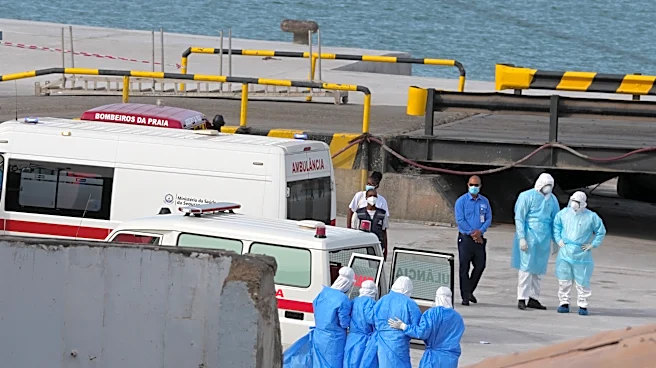
suspected cases across multiple countries. Health officials are actively tracing and monitoring passengers who disembarked from the ship. The virus, primarily transmitted through contact with infected rodents, poses a low risk to the general public. Efforts are underway to contain the outbreak and prevent further transmission.
Why It's Important?
The outbreak highlights the challenges of managing infectious diseases in a globalized world, where international travel can facilitate the spread of viruses. The situation underscores the importance of international cooperation and rapid response mechanisms to prevent widespread transmission. The incident also raises awareness about the potential for zoonotic diseases to emerge and spread in unexpected ways, necessitating vigilance and preparedness in global health systems. The expanding geographic footprint of the outbreak emphasizes the need for effective communication and coordination between national and international health agencies.
What's Next?
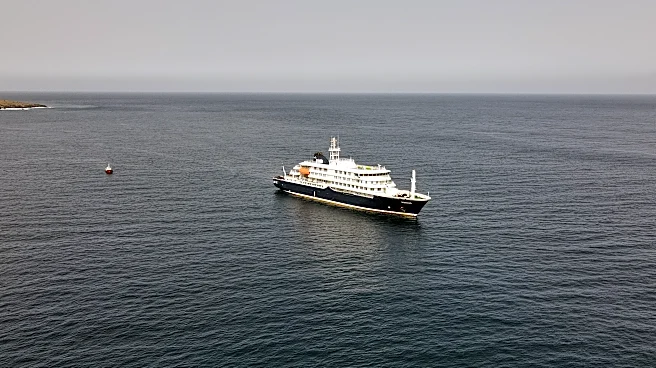
Health authorities in affected countries are continuing to trace and monitor individuals who may have been exposed to the virus. The MV Hondius is expected to dock in the Canary Islands, where further testing and evacuation of passengers will occur. The WHO and national health agencies are coordinating efforts to ensure that all potential cases are identified and managed appropriately. The situation remains fluid, with ongoing investigations to determine the source of the outbreak and prevent further spread. Public health officials are also working to reassure the public and provide accurate information about the risks associated with the virus.