








What's Happening?
Energy costs in the United States are projected to reach record highs this summer, with Americans expected to spend an average of $792 on electricity between June and September. This represents a 10.5% increase from the same period in 2025, according
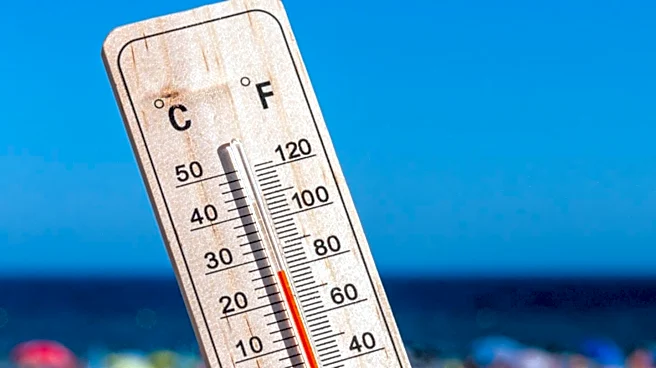
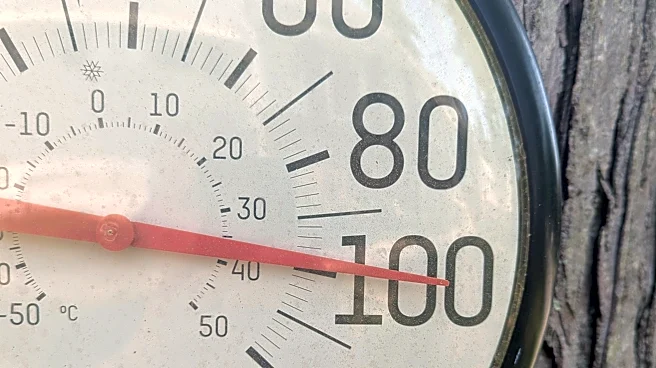
to the National Energy Assistance Directors Association (NEADA). The rise in energy costs is compounded by forecasts of above-normal temperatures across much of the country, particularly in the West and Pacific Northwest. A recent heatwave, exacerbated by a high-pressure system known as a 'heat dome,' has already led to temperatures exceeding 100°F in some areas. The NEADA report also highlights that one in six U.S. households is currently behind on utility bills, with total consumer utility debt projected to reach a record $25 billion by the end of the year.
Why It's Important?
The increase in energy costs poses significant challenges for U.S. households, particularly those already struggling with utility debt. As temperatures rise, the demand for electricity to power air conditioning units will likely increase, further straining household budgets. This situation underscores the broader economic impact of climate change, as extreme weather events become more frequent and severe. The financial burden on consumers could also have ripple effects on the economy, potentially reducing disposable income and affecting consumer spending. Additionally, the rising costs highlight the need for energy efficiency measures and alternative solutions to mitigate the impact of climate change on energy consumption.
What's Next?
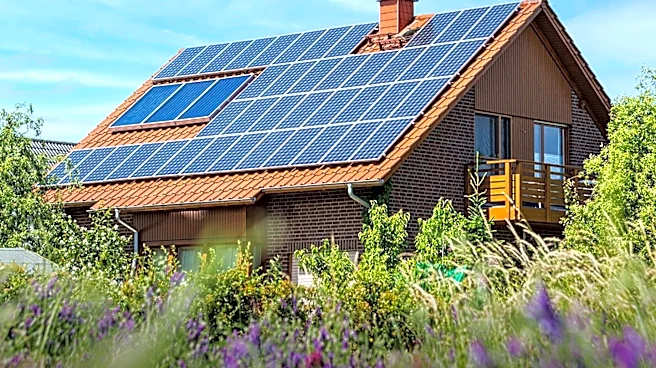
In response to rising energy costs, households may need to adopt energy-saving measures, such as installing smart thermostats or using smart plugs to reduce electricity consumption. Policymakers and energy providers might also explore ways to support consumers, such as offering financial assistance or incentives for energy-efficient home improvements. As the summer progresses, monitoring the impact of heatwaves and energy costs on vulnerable populations will be crucial. Long-term strategies to address climate change and improve energy infrastructure will be essential to prevent similar challenges in the future.